Sustainable Fashion Journalist - WHITNEY BAUCK
Leading the way towards a more sustainable future.
.png)
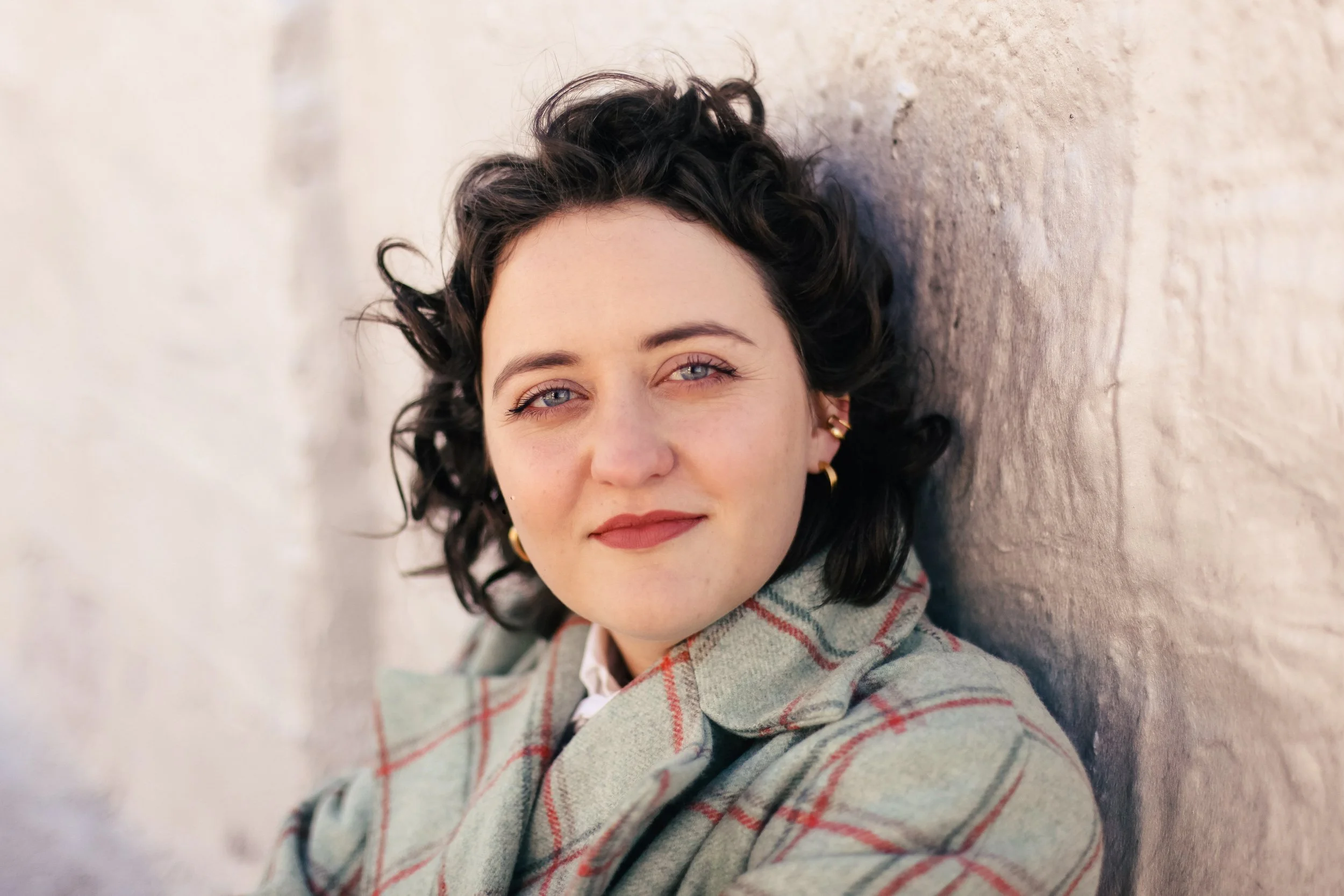
As a leading journalist covering topics surrounding sustainable fashion and the climate crisis, Whitney Bauck is someone who has pushed the sustainable fashion movement forward by using her voice and reporting skills to write incredibly informative and thought provoking articles.
From her most recent days as the senior sustainability reporter for Fashionista, Whitney’s articles were always welcomed into our inbox weekly to learn more about the fashion industry’s part in becoming more sustainable.
As a young girl growing up in Manila, it was quite interesting to learn more about Whitney’s background and how it has shaped who she is as a reporter. Moving to the US for college, she actually majored in fine art, and eventually discovered she wanted to learn more about the fashion industry. By essentially turning every class she had into a way to learn more about fashion, she dove deeper into the topics that interested her most which ultimately gave her an incredible advantage. The ability to use her courses to study fashion in a way that was from a different lens then say a more traditional fashion school helped propel her curiosity and view of how the industry worked in a more meaningful and impactful way. This eventually led her down the road to becoming a reporter for Fashionista and has helped shape her career as a journalist covering topics from regenerative farming, to carbon emissions.
We had the opportunity to sit down and chat with Whitney to learn more about who she is, how she feels about sustainable fashion “mantras”, greenwashing, and what she thinks it’ll take to make a difference in this industry.
Tell us about yourself. Where did you grow up and how did that shape who you are today?
I grew up in Manila, Philippines, and so I grew up in a pretty international community. Probably the biggest cultural influences were American, Filipino and Korean, although there were kids from all over. That has really shaped me in a lot of ways. The Philippines is such an incredible place and some things that I think about my work now were not even on my radar as a kid - especially things around sustainability and the climate crisis, and even reuse. Filipinos are really creative re-users and recyclers of things. That sort of formed the backdrop for some of my childhood but it wasn’t something that I was actively thinking about as a kid.
As I’ve grown up and become an adult and really when I started writing about and studying the climate crisis it all felt very personal to me because the Philippines is one of the most vulnerable countries in the world when it comes to climate change. We talk about climate change intensifying so called natural disasters, and I have a really visceral picture of what that looks like in the town I grew up in. There are lot of beautiful ways that I’m grateful for my upbringing, but the sort of knowledge of those things and that place being hit by climate change in the way that it will despite the fact that Filipinos have contributed so much less to global carbon emissions than places like the US (which is where I live now) has really made it to clear to me that I feel a sense of responsibility to do whatever I can to write about it and report about it - because this place that I really love is in the direct line of fire in a way that feels more pressing than a lot of other places in the world.
.png)
When did you have your “ah-ha” moment about sustainable fashion?
I definitely didn’t have a moment where I decided “ok I want to make this my niche”. Rana plaza was an ‘ah-ha’ moment for me too. I was studying abroad in Ireland at the time, and I’ve been a big thrifter my whole life partly just because that’s just what I could afford and also because it’s a fun way to be creative. But the week that Rana Plaza happened I had just bought something from Penny’s which is sort of like the Forever 21 of the UK in Ireland and there was all this stuff coming out (about Rana Plaza). Penny’s was one of the brands producing at that factory. So I just felt so personally implicated that I am part of this embedded system that is doing really destructive things, and I didn’t want that. For myself on a personal level it was just like there’s no way I’m going to write about this and not pay attention to these things. So I started much more on the human rights side of things but the more you write about that, the more it feels like the environmental side of things becomes really inextricable from that. You can’t take care of people without taking care of land and water that makeup their ecosystem.
“I started much more on the human rights side of things but the more you write about that, the more it feels like the environmental side of things becomes really inextricable from that. You can’t take care of people without taking care of land and water that make up their ecosystem.”
How do you feel about conscious consumerism or “voting with your dollar” or all of these types of mantras we hear in the sustainable fashion industry?
To be totally transparent, I’ve definitely written articles that probably had the words “vote with your dollar” in them. That was the prevalent logic for a long time, and I think we all want to feel like we’re impacting things. But I’m much more interested now in recognizing that those individual actions don't mean much unless they’re serving as a way to push for more systemic action as well. And that doesn’t mean that the only thing is policy or large scale organizing, but it is just a way of saying those things need to be connected, and I feel like it’s very clear that we cannot shop or consume our way out of pro-blems that plague the industry.
How do you feel that we can create real change? Any thoughts on the fashion czar in Biden’s administration?
I think there’s a strong sense that we need policy to help regulate this industry. There aren’t that many other industries that have a powerful potential negative impact that we trust to regulate themselves. We regulate auto emissions and we regulate seatbelts. That wasn’t a thing that automakers necessarily wanted to do themselves until it was regulated. And with tobacco - and there are all sorts of industries that if they have the potential for a big negative impact, we say ‘hey listen, you’re going to need a little help regulating’. Otherwise it’s too easy for companies to prioritize profit. Trusting them to self regulate maybe doesn't make the most sense based on the data in terms of what has and hasn’t caused change over the course of time. On that level I don’t know what’s actually going to end up happening with the Biden administration, but I do think that the push for regulation of the fashion industry makes a lot of sense and I see where advocates of that are coming from.
What is your opinion of greenwashing, for example H&M’s conscious collection?
Greenwashing is definitely a thing that exists. I’ve been in interviews where I’ve had powerful people lie to my face about things, and I know for a fact that’s not what they're doing because I’ve done my homework and been in this industry long enough. It’s a real thing for sure. Greenwashing is definitely a thing that exists. It’s definitely a thing that happens. I’ve been in interviews where I’ve had powerful people lie to my face about things, and I’m like I know for a fact that’s not what you're doing because I’ve done my homework and been in this industry long enough. It’s a real thing for sure.
I don’t think I can make blanket statements that “everyone does this” or everyone does that. I think the big question when it comes to brands like H&M is what are we talking about specifically. I think this is something I’d like to see from more people who are concerned about sustainability - is to be more specific about what we’re talking about. Like to say ‘hey is this brand greenwashing everything all the time?’ Probably not. They’re not not doing everything they say they’re doing. H&M does invest a lot of money into their non profit arm in sustainable innovation. Does that mean that this exempts them from having a conversation about fast fashion and endless growth as sort of a viable option while also pushing for sustainability? No.
I think it’s really important for people in the sustainability conversation to just start being more specific. We can't have real conversations about things if we’re just letting sustainable be a catch all. I think it’s much more helpful to look at someone saying “we’re a sustainable brand”, the instinct should always be “ok, based on what?” What are the things that you’re doing to be sustainable? To say we’re a sustainable brand doesn’t really mean that much at this point, what means more is looking at individual claims and evaluate based on those things.
“It’s really important for people in the sustainability conversation to start being more specific. We can't have real conversations about things if we’re letting sustainable be a catch all.”
What influence has the sustainable fashion community had on you?
There’s so many people in this space that started out feeling like outsiders, and I mean, it almost feels like by sheer force of will that we sort of forced the rest of the fashion industry to pay attention to us. Everything that I learned when I started writing I learned from other people. There have been so many people who have helped shape this space. In New York, Portland (with the Sustainable Fashion Forum), LA, London, and you know I’m mentioning places where I’ve spent time in part because I speak English, so those are the places I’m connected to. But there are also all of these movements that have arisen in other places that might not even necessarily use the word sustainability or don’t even use English words to talk about it, but it’s the same ethos around trying to shift this dominant relationship with the planet.
Is there anything you read, watch or follow that inspires you?
I read a lot of books. I’m kind of an old school analog person and I like reading paper books. I recently liked the fashion coverage that we’ve been getting from newspapers. The Financial Times, New York Times, Washington Post, I enjoy the fashion coverage that comes out of those places.
So what’s next for you and how can we support you?
I’m currently freelancing which has been really good so far. It’s been really full. I’ll still be writing for Fashionista some but I’m expanding the roster of publications I work with. The goal behind that is partly so I can write about a wider range of things. Like I said I'll continue to write about fashion, but I also have a big feature on mushrooms that’s coming sometime this spring, but it’s the other sort of other nerdy things that I love and get to indulge.
Following on social media or subscribing to my newsletter is how I share my work. If people are interested in continuing to read what I’m writing, those are the places to find it.