What is an Ethical Photographer?
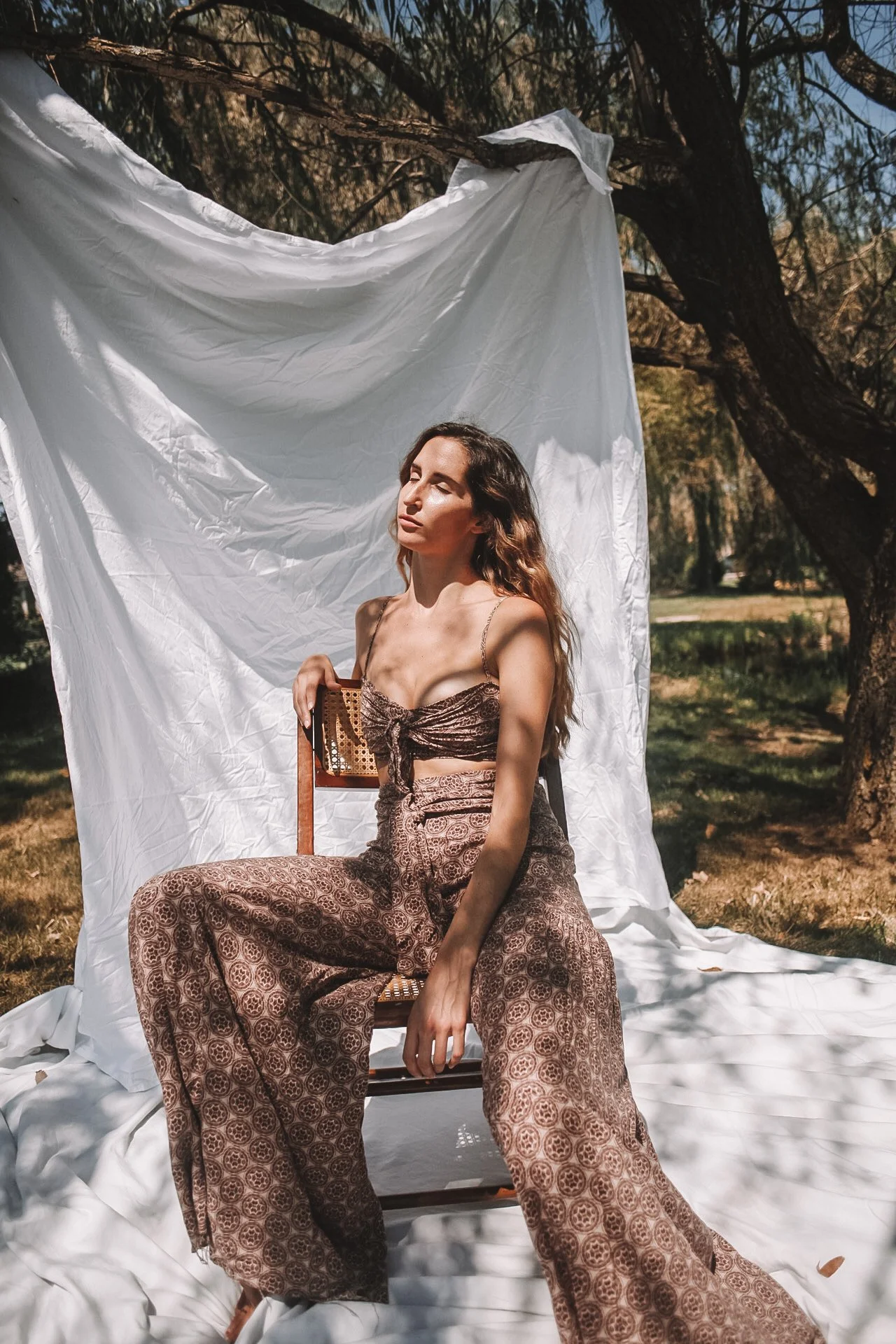
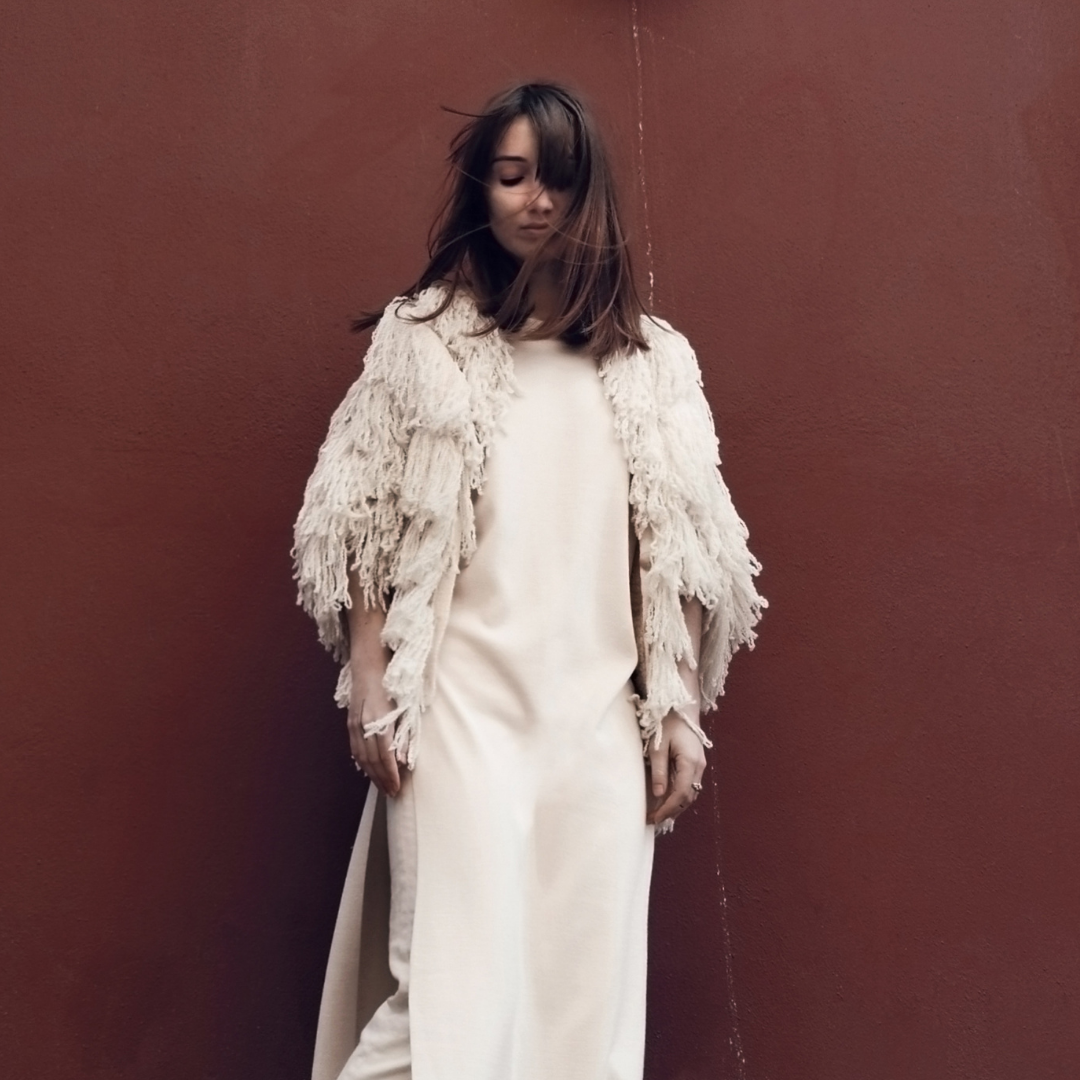
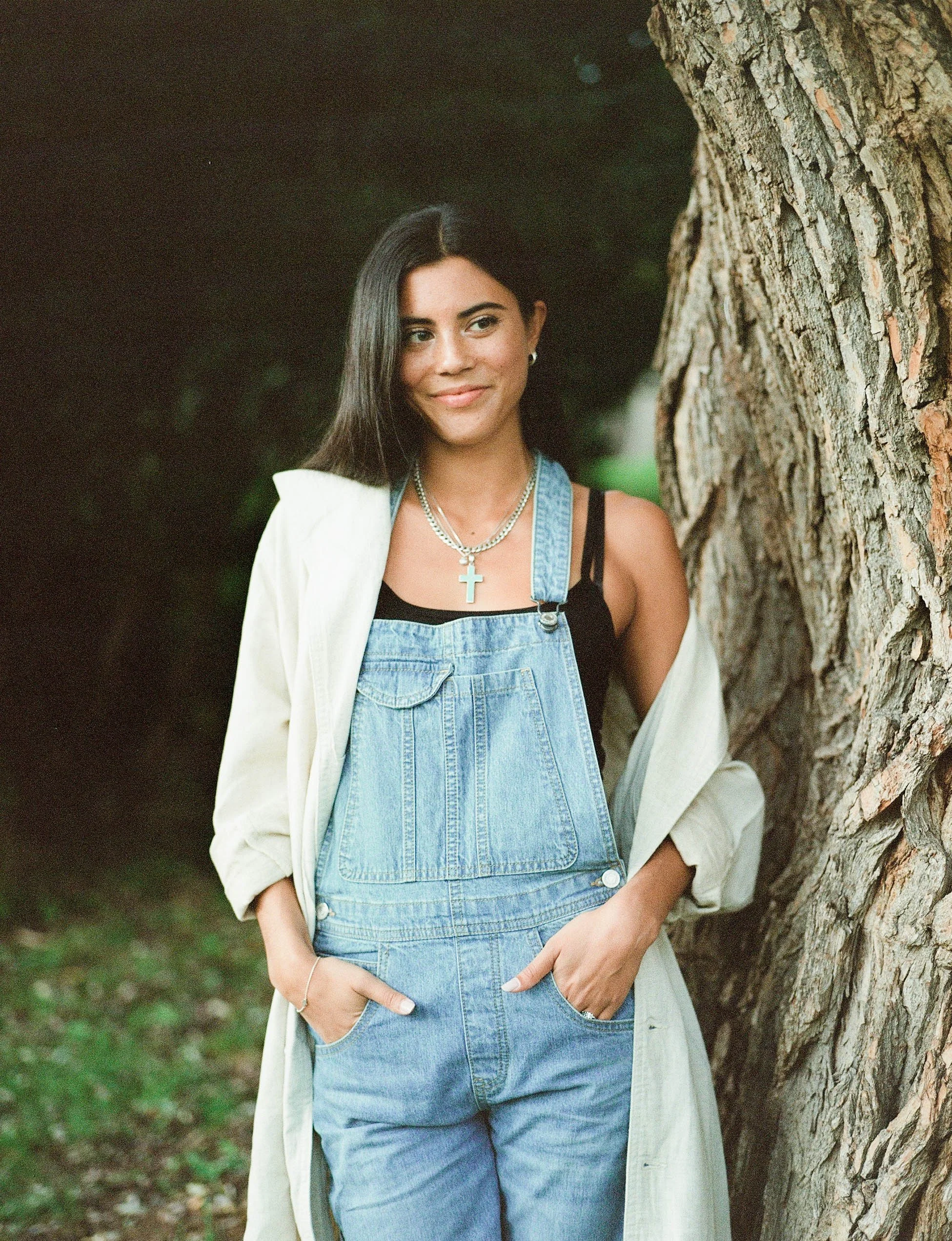
We obviously know all about ethical fashion, but what is an ethical photographer? What does this mean as opposed to a regular photographer in terms of ethics and values? We spoke with Eunice Pais, the founder of PAIS, an ethical photography agency focused on carbon neutral and socially impactful fashion productions.
.png)
What is your background in terms of your career and life?
I was born in Lisbon. My parents are Mozambican. I studied Psychology in London, became a teacher, lived in a few countries, and 5 years ago I became a photographer.
.png)
What was your “ah-ha” moment when starting your business?
In May 2020 I attended a crash course by The Slow Factory. In one of the classes, we were asked to design a system, any system. I designed the aim and structure of the company in 20 minutes. The following class was about design justice held by the brilliant Ibada Wadud. She changed the way I think about responsibility in business and sustainability. I realized that more than an objective, it was my responsibility as a creative, artist and fashion photographer to create something that addresses both the environmental and social predicaments in fashion.
Why was it important to you to start an ethical agency?
Firstly, even though sustainability implies ethics, that sometimes is overlooked in business practices, especially in fashion. I think that when addressing sustainability and ethics in fashion, the conversation is very much about the product ( how it’s made and who makes it) and consumer responsibility. I saw a gap between those two since what attracts consumers to brands is, among other things, imagery.
Having been an ethical fashion photographer for 5 years, the reality is that for the most part, I have only worked with brands as a service provider, but that wasn’t enough. Being adjacent to something doesn’t necessarily mean being what you’re adjacent to. Whether intentionally or not, sometimes fashion productions can be exploitative: there is waste on sets that can be avoided if not eliminated altogether. Socially, cultural misrepresentation, appropriation, and inequities can go unchecked and I believe that conversations around these aspects in photography need to be had so that we can start moving towards regenerative practices and truly add value to our partners and our businesses.
Founding PAIS was a way to present a solution to many aspects of fashion photography and to elevate photography to the role of partner in sustainability.
.png)
How has this affected who you will work with?
I have gained considerable knowledge about sustainable fashion through the many conversations and sharing of insight within the community. That has helped me understand the ways brands practice sustainability and how to support them. By having clear community goals and core values, we mostly attract whom we want to work with, and we only approach brands aligned with our values.
I have made many mistakes by blindly believing that a brand was ethical just because they said so. As a result, there is an assessment stage before accepting a job. That safeguards the agency, and the people involved to avoid acting to the detriment of anything consciously.
Have you ever had to turn down business because they didn’t align with your values?
Yes, many times.
You are based in Portugal. What is the mentality around sustainable and ethical fashion there?
Portugal is a country of textile heritage, so there is plenty of effort being put into preserving that heritage and innovating. However, the focus is still very much on the materials and the environment, not on the people. Supply chain transparency is not addressed by various 'ethical' fashion brands, not the way it should be. There is also a prevalent misconception that the label ‘made in Portugal’ means ethical because collectively, many think that labor practices in Europe in fashion are fair.
What has been your biggest struggle?
Starting a business during a pandemic was a giant leap of faith. With restrictions in place, managing the logistics of a production has been hard.
What’s been your biggest win?
A month after launching PAIS, I ran my first fashion production with three amazing brands, which I’ve been a fan of for a long time. I photographed an inspiring model and activist. The conversations we had were powerful and gave me plenty of clarity on how PAIS can be disruptive for good. This is a pretty big win, too! I’ve never been featured before and I love your work.
Favorite job/brand to work with?
Elementum, Tonlé, Mulxiply Greyjays , but I will be adding more to the list soon, surely.
.png)
TO READ MORE ARTICLES CHECK OUT
ISSUE 02 - progress over perfection

YOU MAY ALSO LIKE