
The NEW Influencers - Jessica Perkins of Ecological.ly
This post was originally published in Issue 02 - Progress Over Perfection
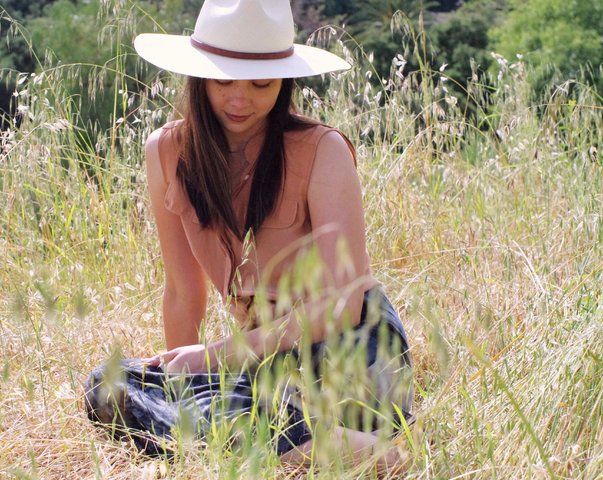
Influencer marketing has become one of the go-to marketing strategies for brands in the past decade or so. And while the term "influencer" at times can have a negative connotation, brands are flocking to work with them. However, what about sustainably-minded influencers? With the #sustainablefashionblogger adding up to over160k posts, there's a new crop of influencers who are using their platforms for GOOD as opposed to just posting their latest #ootd.
In a new reoccurring section of the magazine, we are calling "the new influencer" we are highlighting two very different content creators to learn more about how they got started in the sustainable space and how distinguishing their brand as a place to share only ethical products has shaped whom they work with and more importantly don't work with.
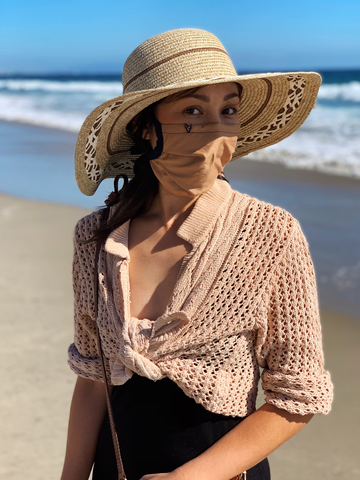
JESSICA PERKINS
Ecological.ly
Founded in Early 2016, Ecological.ly highlights sustainable lifestyle swaps and eco product recommendations.
What was your “ah-ha” ”moment when starting your blog?
I don’t remember a specific “ah-ha” moment. I started blogging under the name English Lass in LA as a way to share my experience exploring a new city. Over time, it naturally evolved to include my explorations into a more sustainable lifestyle and became ecological.ly.
What made you want to focus on sustainability?
It’s been a natural progression. Throughout my life, I’ve been interested in handcrafts and shopping local. Exploring a sustainable lifestyle encompasses these past hobbies and builds on them.
What is your background? (Career, life)
I grew up in a small town in England – my grandfather was a tailor, my father a chef. Following in my grandfather’s footsteps, I studied handcraft tailoring at the London College of Fashion. For centuries, the UK was renowned for its textiles and I wanted to preserve the tradition. After a year of study, I traded school for a job in one of the UK’s last shirt factories and eventually moved into a management role within the company.
A couple of years later, I took a job heading a school uniform division at TESCO, the UK’s largest corporation (akin to Wal-Mart in the US). I was proud of my business’ growth and the direction of my career but realized that I had strayed from the ethic of local, high-quality, sustainable commerce. Instead, we were making clothing in dangerous working conditions in Asia, polluting the earth, and putting mom-and-pop uniform stores in England out of business.
After relocating to LA, I took the transatlantic move as an opportunity to reground myself in what I care about most. I decided to go back to school and enrolled in community college. Now, I’m in my senior year at UCLA, studying Geography, and hope to go into sustainable city planning.
You share a lot of great sustainable tips both general living and fashion. How do you learn about sustainability?
I take inspiration from the thousands of other sustainability bloggers, Instagrammers, and the like including those featured in GG. On the one hand, that’s lazy but on the other hand, broadcasting and normalizing sustainable ideas are core to the movement. Occasionally, I’ll contribute my own ‘OC’ (original content), like cutting hanger tags off of clothes and using them as gift-wrap ribbons. It’s a silly example but the social media universe reshared it and now it’s a thing.

“Collective action starts with individual change. Don’t underestimate your individual power!” - Jess Perkins
Was it something you’ve always been interested in, who taught you?
When I worked in the fashion industry, I saw firsthand the materials and labor that goes into each garment. As I learned more, I saw an industry driven by shareholder pressure to drive profitability: fast fashion with labor conditions and the environment as afterthoughts. Around that time, I was inspired by People Tree’s founder Safia Minney who wrote Slow Fashion: Aesthetics Meets Ethics. She inspired me to explore “restorative economics” and want to be part of the change.
How has being a sustainable influencer affected who you are able to work with?
It has limited the set of companies that I can work with. However, I wouldn’t have it any other way and it has helped me discover some amazing alternative brands.
How do you go about selecting partnerships?
I’m very selective about who I work with. The brands I work with are either companies I’m already a fan of or I will have vetted the brand as best as I can. I will ask questions like, Are the factories (third parties or affiliate companies) involved in the making of your garments audited to ensure they’re paying a fair wage? I’ll also check how transparent a brand on their website and look for what policies, values, and beliefs they share.
What has been your biggest struggle? What’s been your biggest win?
My biggest struggle is reminding myself to celebrate progress and not aim for perfection. One of my biggest wins would be having my husband ask me where I’d recommend he buy a new hoody from. He was going to just order something from Amazon but thought to ask me for eco brands to check out instead.
Favorite job/brand to work with?
I took a 3 month ambassadorship with PACT last year and really enjoyed working with them. They put a lot of care into everything they do from their plastic-free hang tags to letting customers choose to offset the carbon footprint of their order shipment.
Anything else you’d like to add?
Collective action starts with individual change. Don’t underestimate your individual power!