What Makes a Factory Ethical?
This post was originally published in Issue 01 - An Introduction to Sustainable Fashion
By Jessica Kelly, founder and CEO of THR3EFOLD
In the last 5 years you may have become more conscious of your closet. What clothes are you buying? How were they made? How are you disposing of them? Questions you likely didn’t grow up asking, but now find it increasingly easier to shop ethical and live a more sustainable life.
How Did We Get Here?
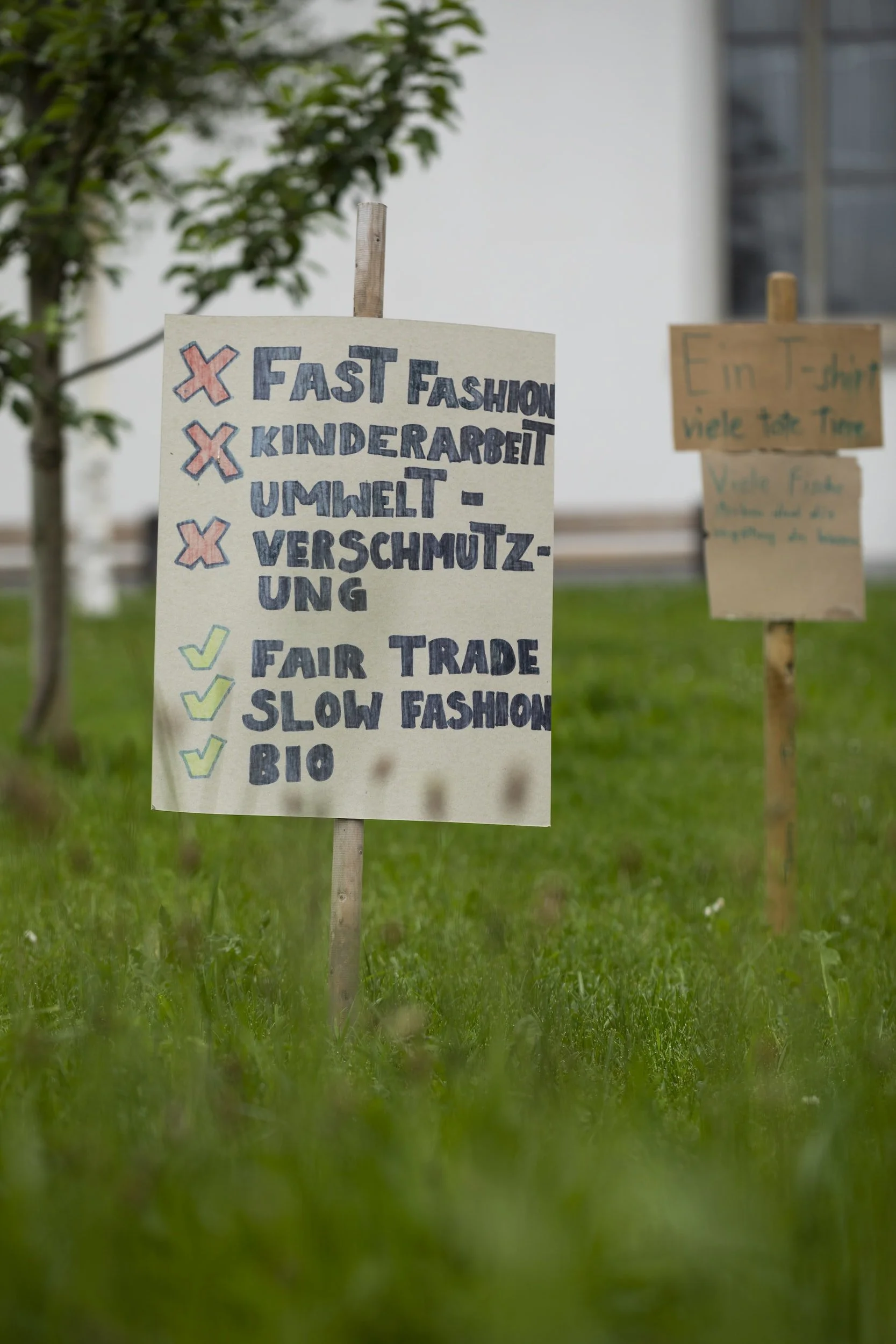
Similar to the natural and organic food movement, many of us blindly consumed our wardrobe for years assuming the best of the brands who were making our clothes. And to be honest, not giving even the smallest thought to the person who made them living halfway around the world. As the fashion industry went off shore in the 90’s, we became distanced from the process. Sadly, most people living in the western world today, do not even know how to sew a button back on their coat, let alone make an entire garment to have a value for the skill involved. Fast fashion trained us to devalue our clothing. Buy it for $5, wear it a couple times, throw it out quickly and go onto the next shiny new thing. These retailers average 16 collections per year, that’s an entire new crop of clothes every 3 weeks! Who even needs that much clothing?
But after the Rana Plaza factory collapse in Bangladesh in 2013, the world halted. Suddenly, we were awoken to the massive issues in fashion that were being swept under the rug and one thing became very clear; something had to change. Since that sad day, big brands and factories have banded together to regulate sweeping change in factory standards across Bangladesh, and those standards have spread to other countries as well.
Simultaneously other players have gotten involved. A groundswell of bold new brands emerged, like a small army, on a mission to take back fashion’s humanity and deliver a better product that actually gives a shit. The woke millennials and Gen Z consumers demanded better standards, and organizations popped up and began demanding transparency from brands who had been hiding these malpractices and assuming no responsibility and the world began to change.
Building an Ethical Brand
This all sounds great right? But that still leaves us with the simple fact that no one has any clue how clothes are made. Even passionate people who bravely step out to create a conscious fashion brand, face a seemingly insurmountable learning curve. Where do you find a factory? Which fabric should you choose? Whoa- minimums are high, how do small brands do this? Ugh, packaging is all plastic, are we even doing the right thing here? Eek if we don’t start making more sales soon we will be out of business and all this will be for naught. - - This is the general journey a small brand takes to launch and grow in this industry today. So while it may now be common knowledge that our clothes need to be made better, it’s still insider information as to how.

“Many of us blindly consumed our wardrobe for years assuming the best of the brands who were making our clothes. And to be honest, not giving even the smallest thought to the person who made them living halfway around the world.”
What Makes a Factory Ethical?
The supply chain is global, complex, and ever changing. Brands face two big challenges when it comes to navigating the supply chain. First, factories are privately owned, which means Gap cannot just tell their factory, “Hey, we are going to start paying you more and that money must go to your underpaid garment workers.”
Secondly, factories are decentralized, so there is no universal set of standards by which they are regulated. This is why working with a trusted, ethically certified factory who shares the same values you do is so important.
There are several ethical certifications on the market, and they range in the minimums they require but all orbit around these same eight standards:
1 | No Child Labor
No worker is 15 years of age or under. Additionally, any young worker, within a legal student age, cannot work during school hours or during night hours.
2 | No Forced Labor
Workers are willingly employed and can leave at any time, and no pay is withheld for performance or any other factors.
3 | Dependable Pay
Wages start at the minimum wage of the country's legal requirements and go up from there. Pay is on time and overtime is paid at a premium rate. Some certifications require a living wage which also factors in the cost of living for a small family including enough to have a small emergency fund for medical care.
4 | No Discrimination
Workers are hired, fired, promoted, or demoted on performance and capability alone and not due to race, gender, sexual orientation, religion, or socioeconomic status.
5 | Clear and Safe Communication from Management
Factories will remain free of supervisory or co-worker harassment or abuse. Job responsibilities are clearly defined and factory policies are clear and posted.
6 | Safe & Healthy Workplace Environment
Factory will eliminate or minimize hazardous working conditions wherever possible and provide aid for any injured workers. Buildings pass all safety requirements and fire exits remain unlocked and clearly marked.
7 | The Right to Unionize
The factory will respect the worker’s right to form and/or join a trade union to protect their rights and treatment.
8 | Eco-Conscious
Factories will reduce waste when possible and must show improvement in their environmental impact upon each audit check-in.
Some certifications are self-assessments which we find to be risky and that is why the ethical certifications we accept at THR3EFOLD are all conducted by outside auditing bodies, who come in 1-2 times each year to check standards and ensure the factory is up to code. The certification system is not perfect, but for now, it’s the best we’ve got. Some certifications you can check out are GOTS, SA8000, and WRAP.
What Now?
The fashion industry is an old-school, exclusive club. In fact, before 2020 much of the backend of our industry was still predicated on insider information, outdated technology, and middle men. As COVID forced fashion to go digital overnight, and retail hustled to stay in business, another interesting thing happened, brands got serious about their sustainability action plans.
Navigating how to build an ethical and sustainable fashion brand is overwhelming and confusing. That’s why at THR3EFOLD we try to make it easier by providing brands with access to an ethical supply chain and training so they can grow their business for people, planet, and profit.

Jessica Kelly is the Founder & CEO of THR3EFOLD. She’s spent a decade helping hundreds of fashion & lifestyle brands in New York City grow their business through marketing, sales, and PR. During a life-changing trip to India, she saw first hand the issues with the supply chain and fashion industry, and was set on a mission to change it. THR3EFOLD provides fashion brands with access to an ethical supply chain and training so they can grow their business for people, planet, and profit.