An Ocean Lover's Dream Brand
THIS POST WAS ORIGINALLY PUBLISHED IN PARTNERSHIP WITH WASHED ASHORE IN
ISSUE 02 - PROGRESS OVER PERFECTION
Preserving the Ocean While Building a Sustainable + Ethical Fine Jewelry Brand
What do you get when you study archaeology combined with art history? In most cases you’d find yourself working at a museum or even an excavation site, but that wasn’t the case for the founder of Washed Ashore, Larada Lamsam.
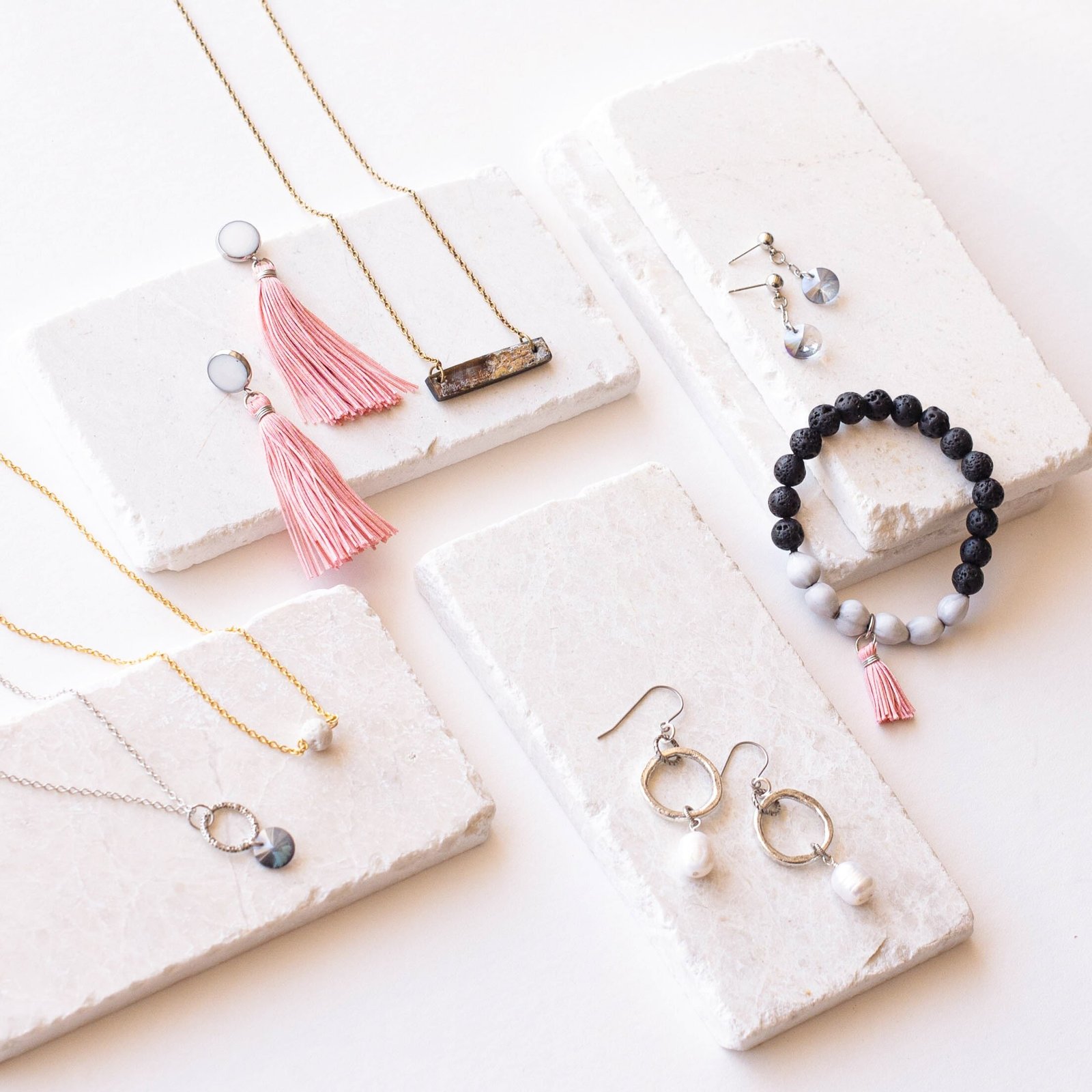
The collection inspired by the treasures that come from the sea and ‘wash ashore’, is designed for the nature lover who can appreciate the beauty of the ocean. The designs are curated in a way that is both modern and timeless.
As a purpose-driven and ethically made jewelry brand Lamsam is extremely proud of their core values of being made sustainably with an environmentally conscious manufacturing process. The brand was even awarded the coveted Butterfly Mark which is a third-party sustainability award and authentication that have passed a thorough assessment.
As many sustainable entrepreneurs start their own businesses, the recurring theme is the discovery of either the working conditions or unethical practices that a product is made. This was certainly the case for Washed Ashore.
Upon entering the jewelry manufacturing space, she was appalled by the damage the industry has on people and the planet. Mining can be such an invasive process that not only affects the land and biodiversity in the area but it’s also estimated that nearly 40 million people work in unregulated small-scale mines with ⅓ of them being women who often will bring their children with them to help.
It’s one of the main industries in fashion that still has a long way to go in terms of accountability and being able to make products in a sustainable and ethical way.
.png)
This is truly what sets Washed Ashore apart from many other jewelry brands.
From their 100% recycled metals, to their post consumer up-cycled stones and recycled packaging, every part of the business has been created with extreme intention and integrity when it comes to sustainability.
They have set out to create a completely circular supply chain with 100% traceability and transparency in every aspect of their production process. From investing in their production partners and making it possible for them to finance renewable energy and water recycling systems they are clearly raising the bar when it comes to not only their own sustainability initiatives but leading the way for the ethical jewelry industry.
Here’s some of their key initiatives when it comes to sourcing and manufacturing:
100% RECYCLED METALS
Their decision to use recycled metals was made because they believe in limiting the amount of new and raw materials sourcing in general. Did you know that greenhouse gas emissions associated with sourcing, extracting, processing and transporting raw or “virgin” materials is far higher than when recycling them? This is another reason why they chose to use all recycled gold and silver materials.
POST-CONSUMER GEMSTONES AND DIAMONDS
The process of collecting post-consumer stones extracted from vintage jewelry and upcycled into their designs is such an amazing way to limit the use of new materials and promote a more circular economy. Reducing, reusing and transforming materials has an important positive impact. It drastically minimizes greenhouse gas emissions and bypasses the negative environmental and social issues associated with sourcing, extracting, processing, transporting and cutting raw stones.
100% UPCYCLED ABALONE AND PEARLS
The combination of abalone and pearls used to create unique and intricate designs are sourced from a farm in Phuket, Thailand, in which the shells are a by-product of their food industry and typically would be thrown away. The pearls used are saltwater Japanese Akoya Keshi’s which are 100% pure and natural. Not only have they not been dyed, or bleached, but each pearl is incredibly unique in that the shape and colors are one of a kind making them very rare due to their limited quantities. In addition to these sourcing processes, the pearls are also collected from suppliers with deadstock strands of Keshi which have been around for more than 30 years which also contributes to their sustainability goal of limiting new resources.
Washed Ashore is truly a leader when it comes to sustainable and ethical manufacturing. The jewelry industry similar to the clothing industry has a long way to go in terms of perfecting all of these processes, but it’s inspiring to see brands like Washed Ashore who are leading the way and making a difference.

.png)
YOU MAY ALSO LIKE
.png)