What is Sustainable Beauty?
BY LIN CHEN
.png)
Sustainable beauty has grown significantly over the past few years. It’s amazing to see consumers demanding healthy beauty products! There are many terms these days: clean, green, natural, organic, vegan, safe, cruelty free, nontoxic… Not only that, but there is a dizzying array of options available and opinions on what is “clean”, so we understand that might have made it difficult to know what’s actually right for you.
In this article, I’ll talk about the importance of ‘sustainable beauty’ and break down the above mentioned terms. There’s a big push towards a circular economy in every industry, and now more than ever beauty and personal care manufacturers and suppliers are raising the bar on sustainability. The idea is to create a system that can help eliminate waste and provide a continual use of resources that would otherwise go to landfills, or worse, end up as pollutants or contaminants.
At Pink Moon, we use “sustainable” and “eco” terms. Pink Moon’s definition of sustainability takes into account the environmental aspects of beauty but also the ethics behind ingredients and business practices. We look for brands that embrace circularity and look to alternative raw material sources and production methods for product development. Finding sustainable beauty brands isn’t easy and requires a lot of research. Thankfully, there are a lot more great green beauty brands out there now, but it’s important to understand what makes a brand truly sustainable.
SUSTAINABLE BEAUTY
Buzz Words
I’ve been working in the eco beauty space for nearly a decade now, and have been using natural beauty products since middle school (my foray into eco beauty was avoiding products that were tested on animals, and unknowingly at that time in the early 2000s, the only brands that were cruelty free and easy to find were sold at Whole Foods and farmers markets). To me, the heart of sustainable / green beauty is not about what’s not included in the products and what’s not “toxic” and “harmful”. It’s about the connection to the earth and the connection that we feel to nature each time we use these thoughtfully crafted natural eco products. From the most moisturizing of oils to the gentlest of exfoliators, we’re conscious of the fact that choosing to use plant-based products is a powerful experience. It’s not always easy to get out into nature, but with these products by our side (and on our shelves!), our skin and senses can experience the pure bounty that our planet has provided.
So, what is the difference between clean, green, natural, organic…? The FDA does not regulate any of these terms, so it can get pretty complicated. Here is a quick breakdown of these buzzwords:
"I want this space to be safe for anyone who wants to explore eco and green beauty. There is no greenwashing, no deception, and no shaming at Pink Moon. This is a place for education, empowerment, self-care and self-love, and healing. "
.png)
Clean
Includes natural and synthetic ingredients but will not cause any potential harm or irritation to the body, and has the added bonus of being cruelty free and friendly to the planet
Green
Means the product should do no harm to the environment. For example, a reef-safe sunscreen with biodegradable packaging would be labeled green. However, this is a loose term with no true definition and is usually used as an umbrella for any product that claims to protect the planet’s resources.
Natural
Means they are not chemically produced and have no added synthetics, however, any brand easily slap ‘’natural on a label, regardless of the ingredients. It all comes down to actually reading the labels.
Organic
The most regulated term, but only if you see the USDA-certified, COSMOS, or EcoCert logo, which means it’s certified organic. In other words, it has been certified by an accredited agent and made from ingredients that were produced, handled, and packaged to the proper standards
Vegan
Doesn’t contain any animal by-products or ingredients sourced from animals. Common non-vegan ingredients found in eco beauty products include beeswax, honey, lanolin, and tallow. Many people associate vegan with clean, but this is not the case. A product can be vegan and still contain potentially harmful ingredients.
Non-Toxic
Interchanged with “clean beauty” – means that a product shouldn’t include any ingredient that’s been deemed toxic at any dose by a third-party resource like the European Union or EWG (Environmental Working Group).
Sustainable
Sustainable goes hand in hand with green. It means that the ingredients on the inside of the package—including how those ingredients were sourced—and the packaging itself should not be harmful to the planet.
When you use any product, the ingredients go down the drain and into the water system, which, thanks to exfoliating microbeads and preservatives like BHA, is causing a marine environment health crisis.
True sustainable ingredients are those that are ethically sourced and proven to be safe for the environment, with sustainable or no-waste packaging being defined as glass packaging, biodegradable packaging, or post-consumer recycled packaging.
Cruelty-Free
A beauty product is cruelty-free if it has not been tested on animals anywhere along the manufacturing line or before being sold. It can also mean that any animal-derived ingredients were not extracted at the expense of an animal’s welfare (like natural-fiber makeup brushes). A beauty product can be cruelty-free but not vegan, and vice versa.
Sustainable Beauty Swaps
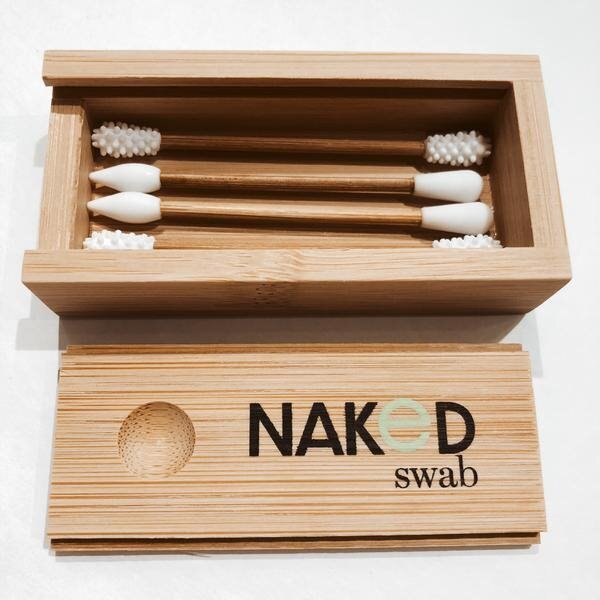
Here are some of our favorite sustainable beauty swaps that you can find in the Pink Moon shop!
.jpg)
replaces disposable cotton rounds. Made in Oaxaca, Mexico by indigenous women, this organic cotton project helps to support over 300 indigenous families.
.png)
One of the most famous and breathtaking locations to visit in Barcelona the most famous building in the entire city and its landmark, La Sagrada Familia. Although incomplete, the church is a UNESCO World Heritage Site, and in November 2010 was consecrated and proclaimed a minor basilica by Pope Benedict XVI.
.png)
A plastic free skincare brand that also donates 5% of profits to eco advocacy. Handcrafted in sunny southern California, Activist’s product line is 100% plant-based and suitable for sensitive skin.
YOU MIGHT ALSO ENJOY