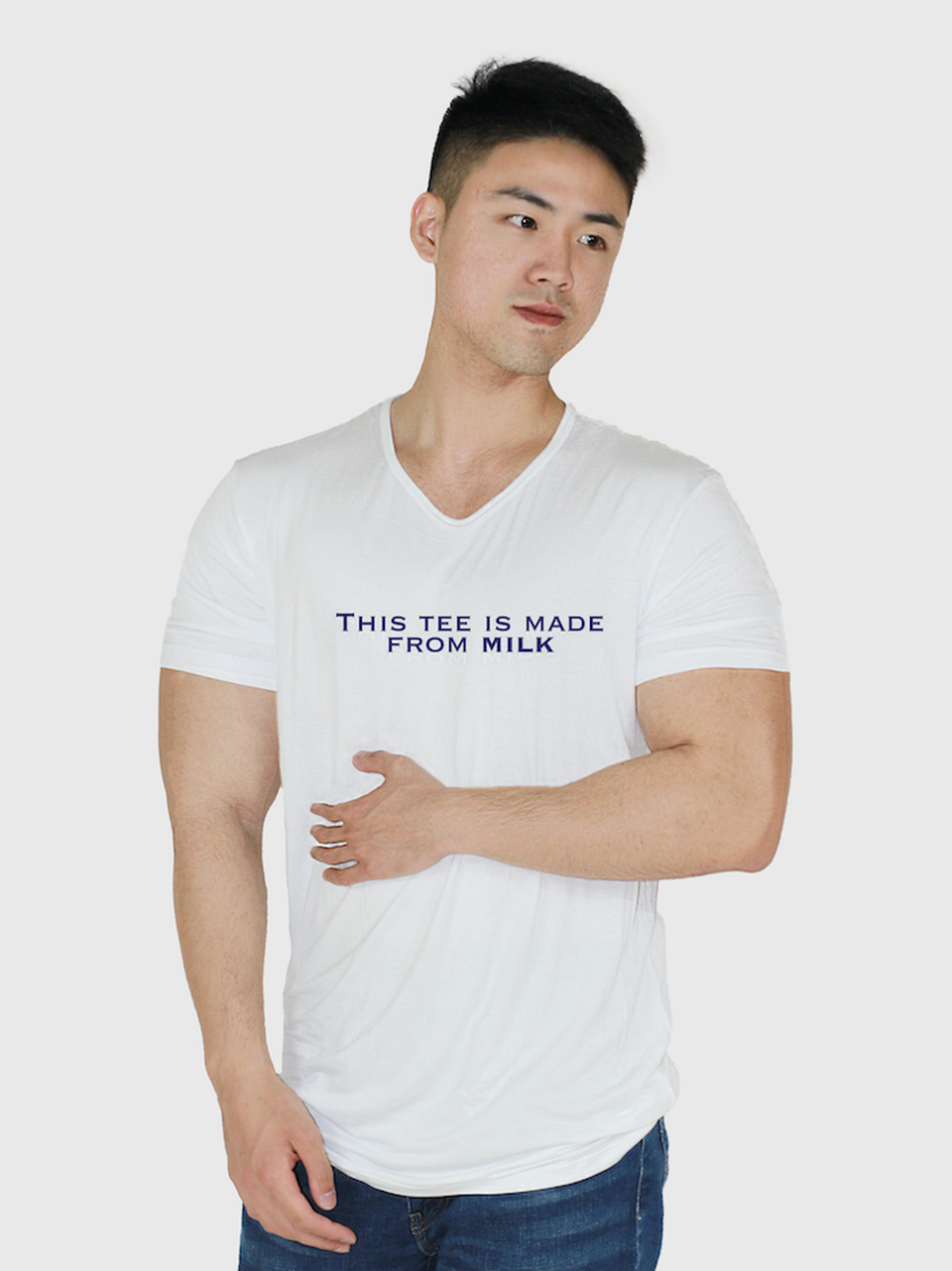
Reducing waste, recycling resources and promoting conservation are three of the major pillars of any sustainable business model. In recent years, environmentally-conscious companies have found innovative ways of recycling waste and creating new products. Mi Terro, a startup based in Los Angeles, aims to draw attention to the amount of waste produced in the dairy industry by creating sustainable fabrics from unused milk.
Read MoreAfter working in fast fashion for over seven years, including as head of e-commerce at Charlotte Russe, Margaret Coblentz wanted a big change.
“I learned a lot about e-commerce and a lot of fashion, but fundamentally, it wasn’t a business model that really resonated with me. It wasn’t something that I felt really good about being part of,” she said. “It’s important to align with what you think is important in the world. That includes social justice, paying people a living wage and treating them well. In fast fashion, that gets ignored — but if something costs $1.25, you have to really wonder what’s being produced.”
Read MoreOXFORDSHIRE, United Kingdom — Fashion’s environmental footprint is one of the largest of any industry in the world, although it’s nearly impossible to measure the true scope of its impact. (The oft-quoted stat that it's the second most-polluting industry in the world has been disproven several times over.)
Consumers are purchasing more clothes, and keeping them for half as long, driven by fast fashion, fast marketing and a digitally driven thirst for newness.
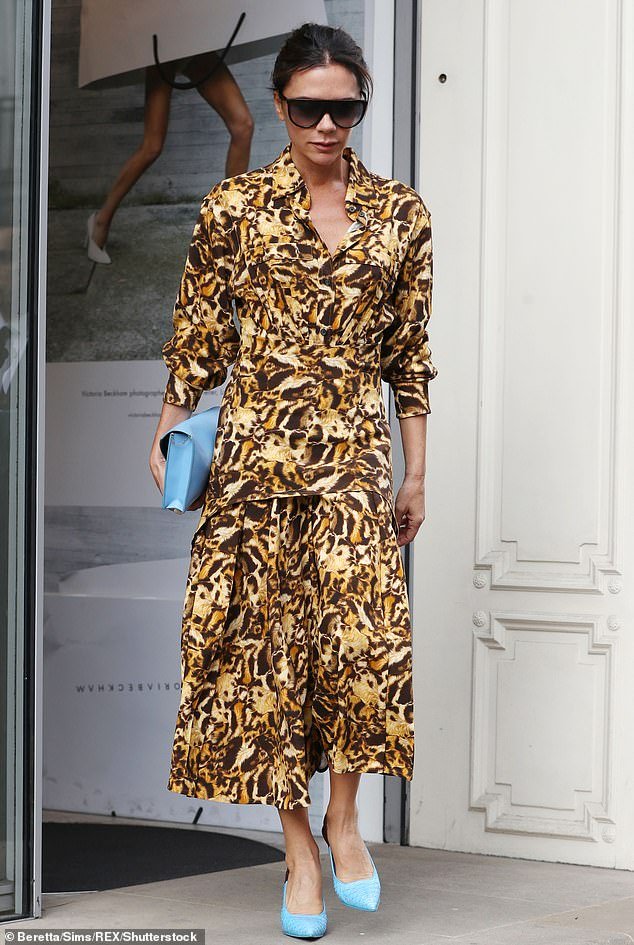
Read MoreVictoria Beckham has become the latest designer to ban exotic animal skins from her collections.
The British fashion maven, 44, confirmed this week she would be following in the footsteps of Chanel by cutting exotic pelts from her eponymous fashion line from Fall 2019 onward in a bid to 'reflect the wishes' of her customers.
Despite never using fur in its designs, Beckham's luxury label currently sells python shoes on its website, and has previously touted snakeskin bags.
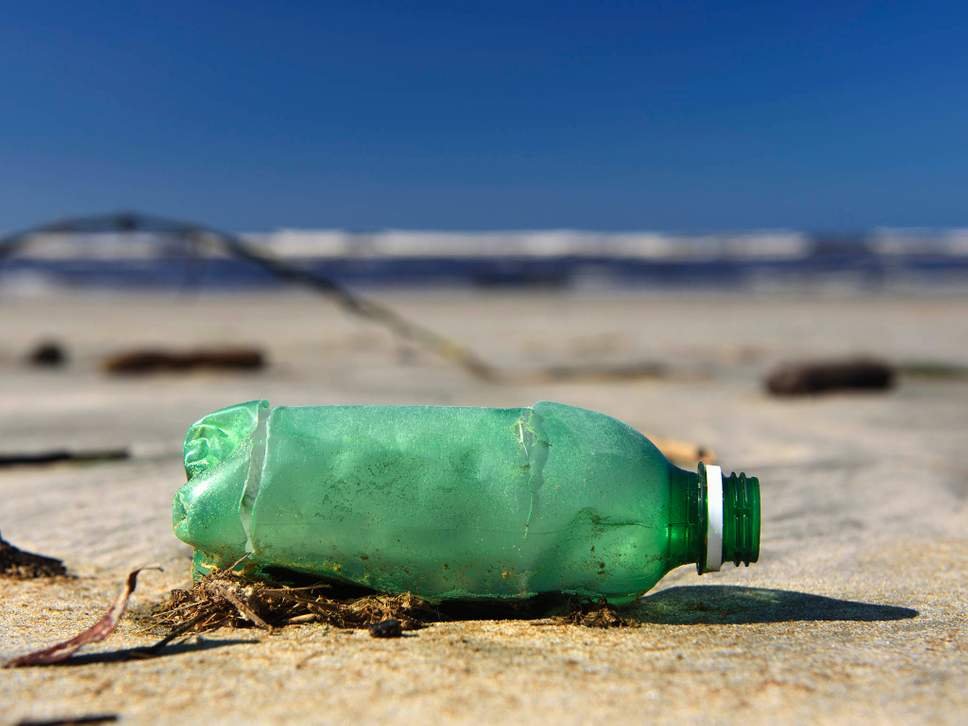
Read MoreUnless you’ve been living under a rock, you’ll know there’s a horrifying amount of plastic waste floating in the world’s oceans: around eight million metric tonnes of the stuff. And if things continue as they are, it’s predicted that by 2050 there will be more of it than fish in the sea.
Our single use plastic usage is declining thanks to plastic bag taxes and the rise of reusable coffee cups and water bottles, but it’s still a massive problem. And while recycling is not the definitive answer, it’s certainly going to help.
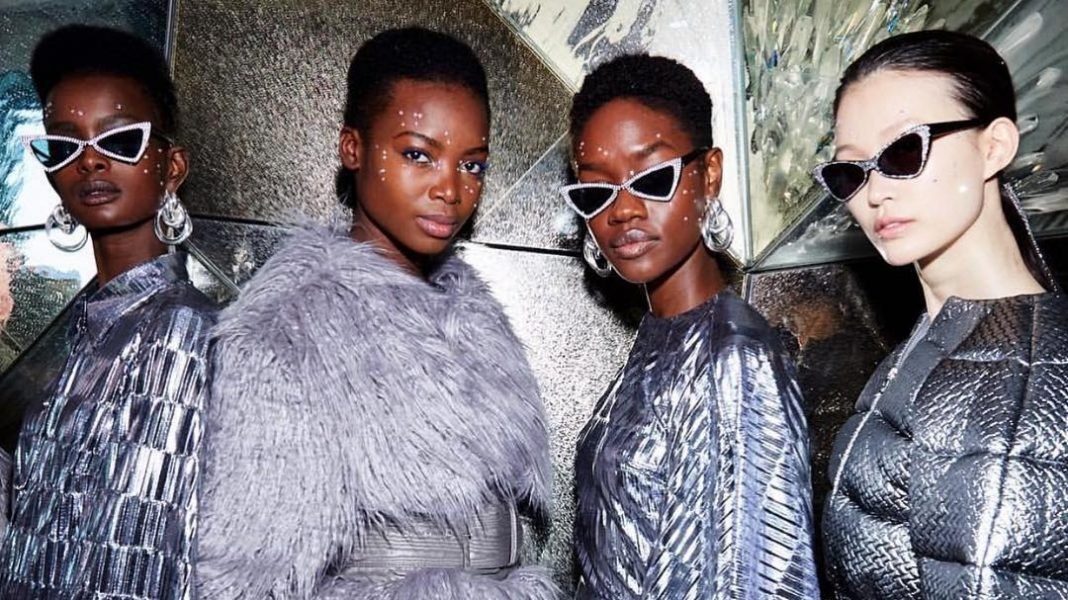
Read MoreNYFW kicked off this past weekend and all eyes are on the faux fur dominating the runways. Once considered an insult to the real thing, the opposite is now true and faux fur is the darling of established labels such as Jean Paul Gaultier and Diane von Furstenberg who’ve ditched fur on ethical grounds.
At NYFW, which began last weekend, long, plush faux fur coats and accessories made a statement, showcasing how the once-derided fabric has a place on the runway.
Read MoreWith the realization that today's shoppers quite literally wear their values on their sleeves, the fashion industry spent 2018 getting more serious about sustainability. From real fur becoming a fashion faux pas to the rise of the luxury rental and resale market, we've entered 2019 with a marketplace hungry to create a more environmentally-conscious fashion landscape and, ultimately, to design a sustainable end-to-end retail economy.
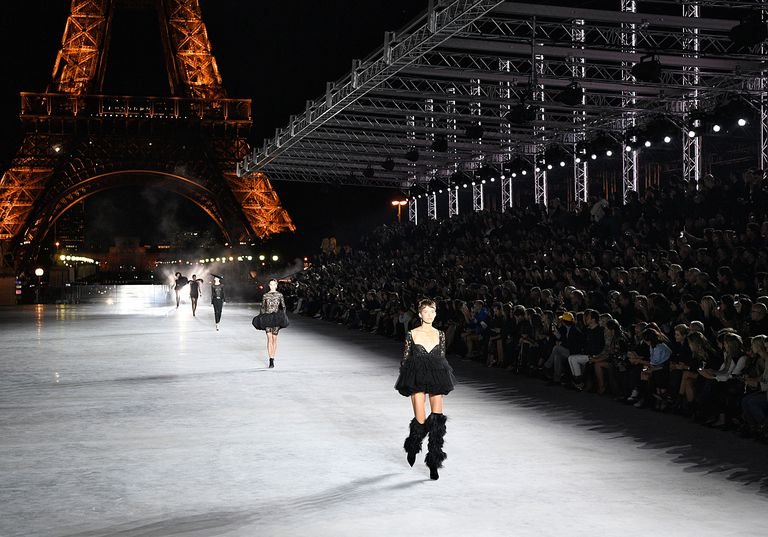
Read MoreThe city of Paris has announced official plans to become the most sustainable fashion capital by 2024. The initiative, entitled 'Paris Good Fashion' will aim to push the fashion industry towards using more sustainable practices, WWD reports.
The process will be carried out through three themes: improving sourcing and traceability, working on making processes more sustainable (including Paris Fashion Week) and creating a circular economy. The proposal was announced on Monday at the Institut Français de la Mode by Frédéric Hocquard (the deputy to Paris mayor Anne Hidalgo in charge of cultural diversity and nightlife), Antoinette Guhl (the deputy in charge of social economy and solidarity) and former fashion journalist and the first editor-in-chief of Jalouse, Isabelle Lefort.
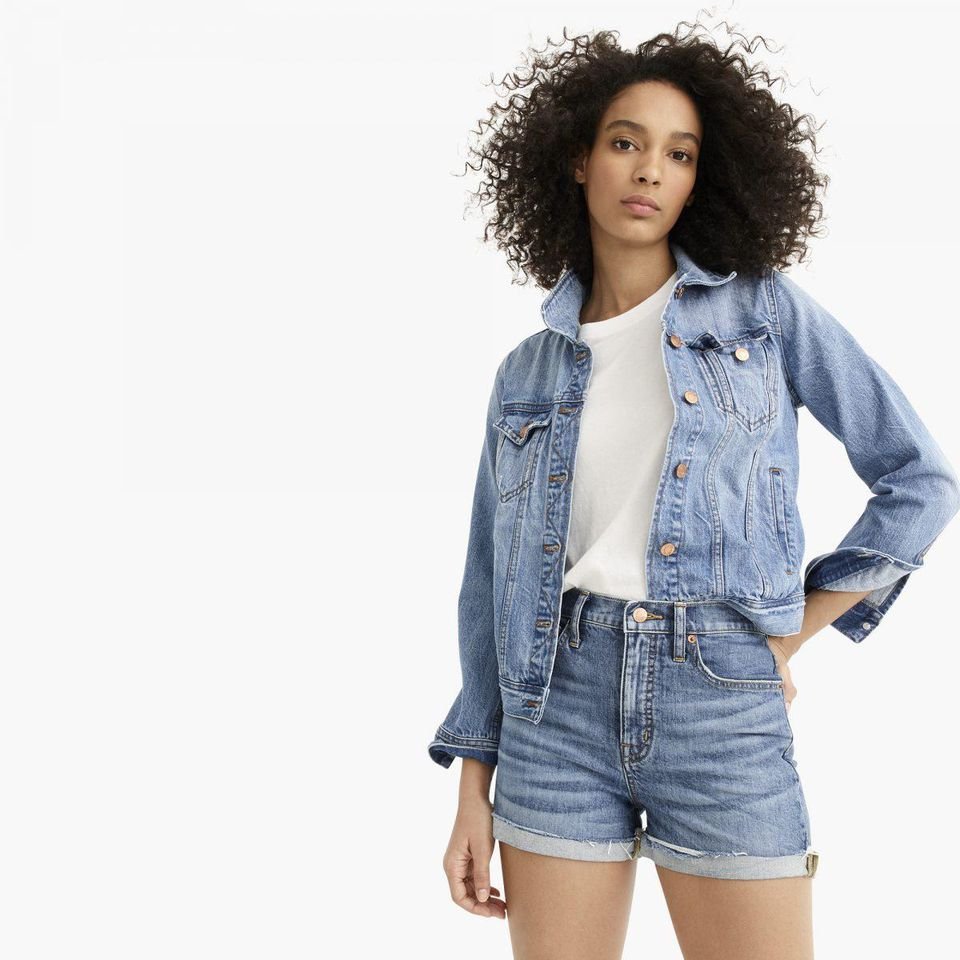
Read MoreIn their debut Fair Trade collections, J.Crew is launching 18 styles of denim and Madewell added 16 styles, across men’s and women’s denim. "This is our first category that the company is doing with the denim collection with the Saitex factory in Vietnam. Fair Trade is a broader CSR commitment and we’ll be announcing more styles across categories in the near future," says Gonzalo Pertile, Director of Corporate Social Responsibility at J. Crew Group.
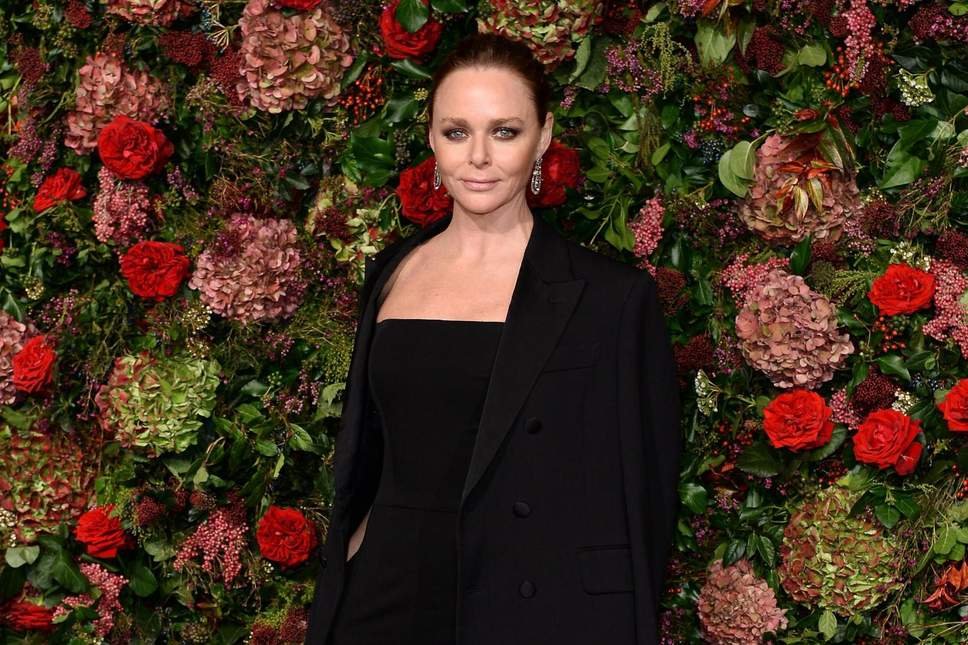
Read MoreStella McCartney is set to launch a United Nations charter to promote sustainable fashion. The British designer will work with high street fast fashion brands to help them come up with plans to reduce their carbon footprint. More details on the charter and the specific fast fashion brands participating will be announced at the UN's annual convention on climate change on Dec. 10 in Katowice, Poland. {The Independent}
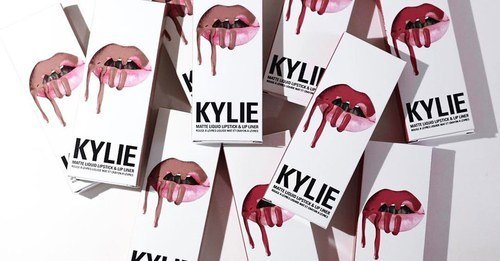
Read MoreFast fashion has long been harrassed by its negative reputation in the industry, what with its questionable labor practices, rampant counterfeiting issues, poor quality and tons of clothing waste per year. It's no surprise why fast beauty is being dragged by the negativity for prioritizing trends and formulas rather than ethical practices. Thriving companies like Kylie Cosmetics, Winky Lux and Be For Beauty are all the more being questioned for its ethics due to the buzz they generate, withstanding the test of seasons.
Read MoreIn lieu of Burberry burning nearly $37 million worth of unsold stock -- and getting burned for it, too -- reports have surfaced stating that the fashion industry is one of the five major industries contributing to modern slavery. According to The Global Slavery Index 2018 report, fashion garments are seen to be one of the biggest items at risk of being produced through modern slavery practices. Some of the most at risk garments come from China, India, Vietnam, Thailand, Malaysia, Brazil and Argentina.
Read MoreOne of the world's largest online secondhand retailer, thredUp, has penned an open letter to Burberry. and it is not a fan made letter for the high-fashion brand. After Burberry received a very controversial backlash due to burning more than $37 million worth of clothing just to keep things exclusive, thredUp invited the brand to send them any unsold product for resale on their secondhand site, promising to donate 100% of the proceeds to the environmental charity of their choice. “At thredUp we believe in extending the life of clothes,” the company said.
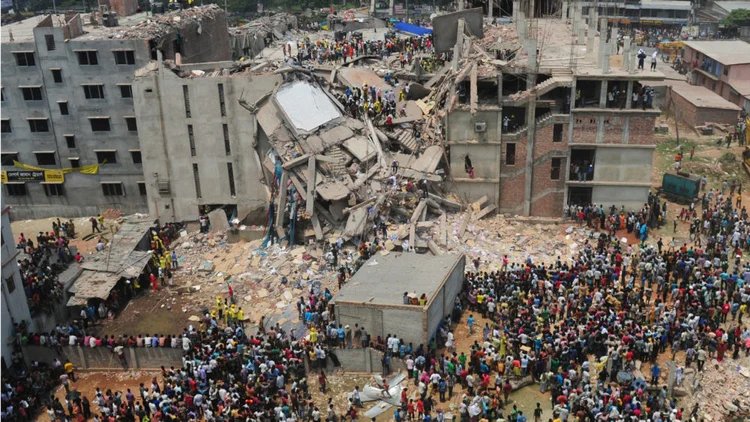
Read MoreAfter the trage Rana Plaza collapse in 2013 which killed more than 1,100 garment workers in Bangladesh, many fashion brands has since jumped into a more eco-friendly approach in terms of producing their clothing lines. To debate if sustainable fashion has become a new normal in the industry is out of the question.
Read MoreWhen one fashion brand jumps into a bandwagon, another joins in on the group. The latest fashion label to jump into the sustainability bandwagon is none other than ASOS. In recent years, we've seen the rise of eco-friendly fashion brands such as Veja, Simon Miller and Reformation take full circle in terms of dealing with fast-fashion problem. Now, ASOS is taking full responsibility, too.
Read MoreHow is fast fashion an ethical way of doing a sustainable approach in the industry? A woman-led jewelry brand is about to bridge the gap between two opposing worlds. According to Gwen Floyd, co-founder of Soko, an artisan-made jewelry brand, “We don't need to make choices between our wallets and our values.”
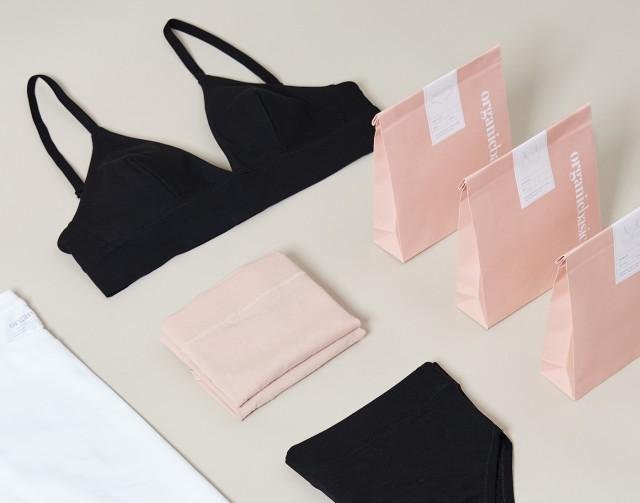
Read MoreA sustainable capsule wardrobe would not be complete without a lingerie... and after years of waiting, it's finally arrived. Some brands have already launched their lingerie starter-packs and people couldn't be more excited! What better way to start a sustainable journey than with your intimates.
Read MoreWhile it is a given fact that the fashion industry produces so much waste in the environment, is it true that only the rich people care about sustainability? The rise of eco-friendly brands have gone up in the last few years, but still not so much have jumped into the sustainable bandwagon.
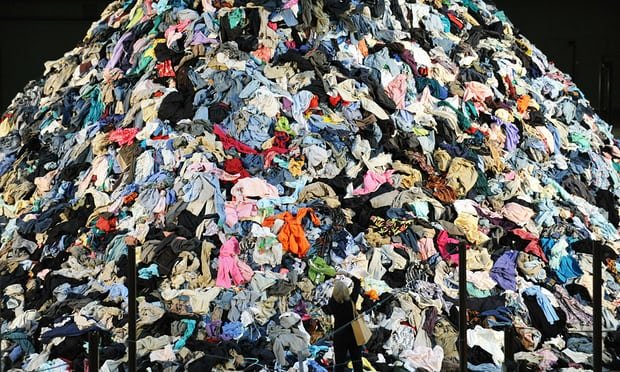
Read MoreFast-fashion in the UK isn't as stylish and fashionable as one may think, as it has led to a multi-billion pound wasteland, according to sources. An inquiry by House of Commons environmental audit committee will explore carbon impact, resource use and water footprint of the British fashion cycle and supply chain.
Read MoreApart from the fashion industry being “underfire” with a bunch of ugly things, the beauty industry is also under some serious reckoning. Cases involving low-wage factories for high-profile brands, environmental concerns, dangerous working conditions and more, is your favorite beauty product really safe for hygienic use?
Read More