Connecting Brands to Ethical Factories
AN INTERVIEW WITH JESSICA KELLEY OF THRE3FOLD
This interview was originally published in
Issue 01 - An Introduction to Sustainable Fashion
When you think about the fashion industry, you can’t help but get swept into the glitz and glamour of how it’s commonly viewed. New York Fashion Week, fancy parties, and beautiful designer clothing, can seem like a dream atmosphere to work in and it’s most likely one of the reasons why so many are drawn to the industry in the first place.
However, there’s a common thread among many who spend more than a decade in this field. Many come to the realization that there’s a lot happening beyond the public eye that isn’t good for people or the planet.
This is a story that can probably resonate with Jessica Kelly, the founder and CEO of Thr3efold, an online platform that helps brands of all sizes access ethical factories.
Her background and “ah-ha” moment
After a decade working in fashion PR for some of the most prominent NYC firms such as KCD which represent huge names such as Oscar De La Renta, Tory Burch, and Tommy Hilfger, she found herself starting to wonder where her career path was headed.
“I started to wonder what purpose my career had. While I knew I loved fashion it didn’t feel super connected to doing good. It can be very draining to feel like you’re just selling expensive things to rich people” said Jessica.
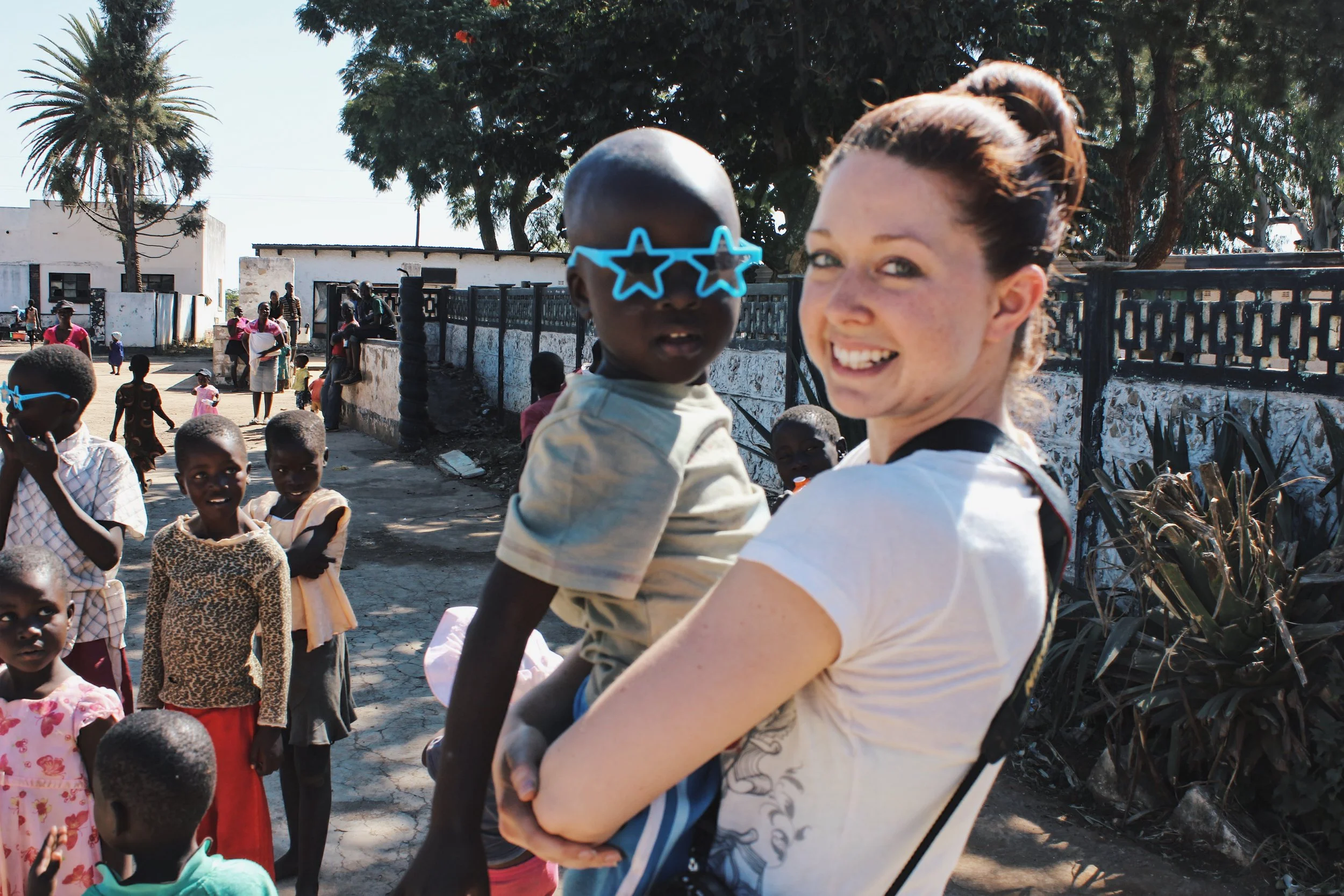
It was around that time that an opportunity presented itself to go on a mission trip to Zimbabwe, which ultimately became a life changing moment for Jessica. While on the trip and volunteering within the community to help wherever necessary she was blown away by their joy and generosity juxtaposed with the fact that employment opportunities were so scarce in their area. On the plane home to NYC Jessica was convinced that she was going to do something to create sustainable employment around the world.
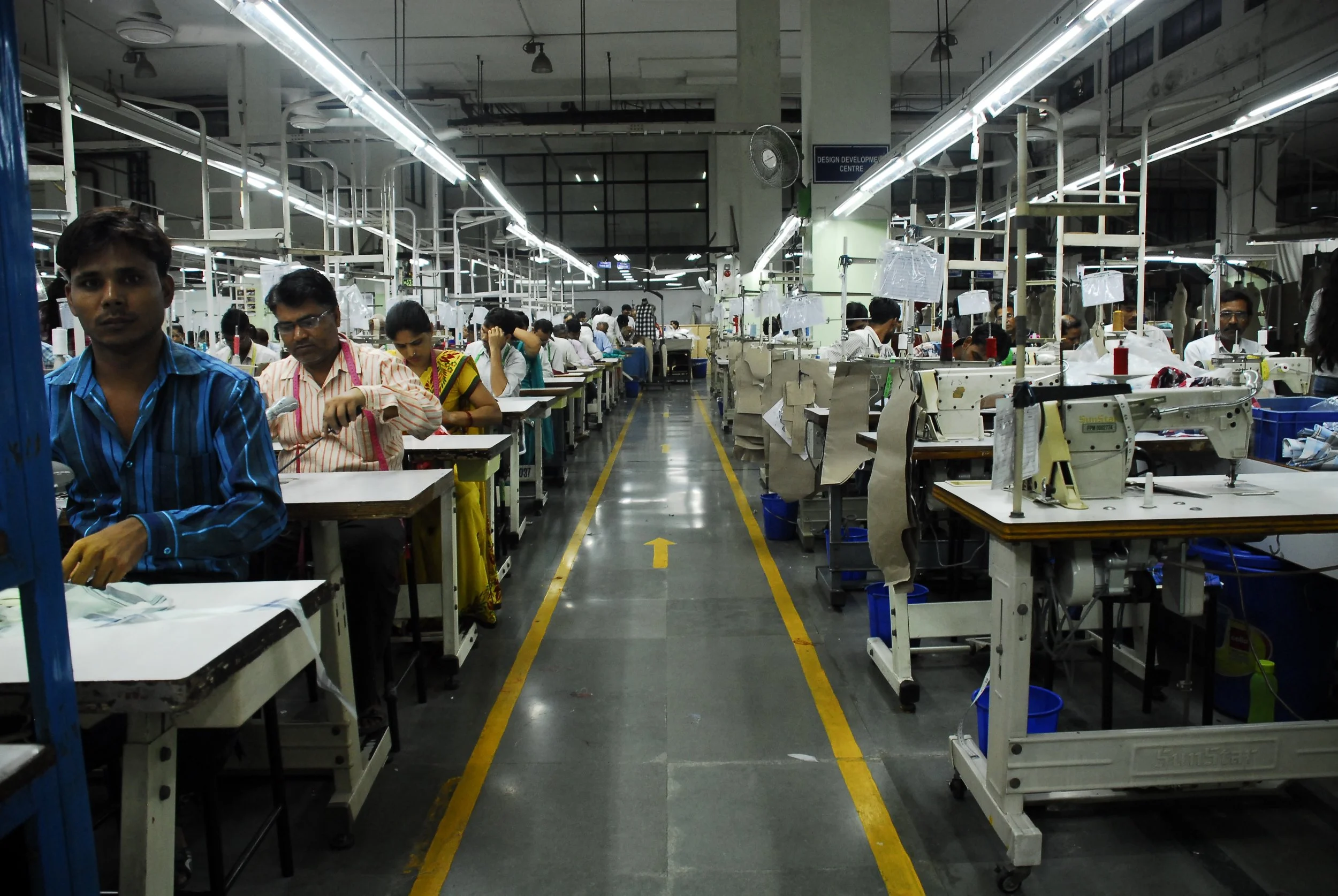
“I had this vague idea, but my background wasn’t in production, so I decided to go on a month long research and development trip to India. I didn’t know anyone when I booked my ticket, so I just started asking people if they knew anyone in India they could connect me to. And somebody, who knew somebody, who knew somebody, connected me to a bunch of different people, and I eventually had lots of meetings lined up.
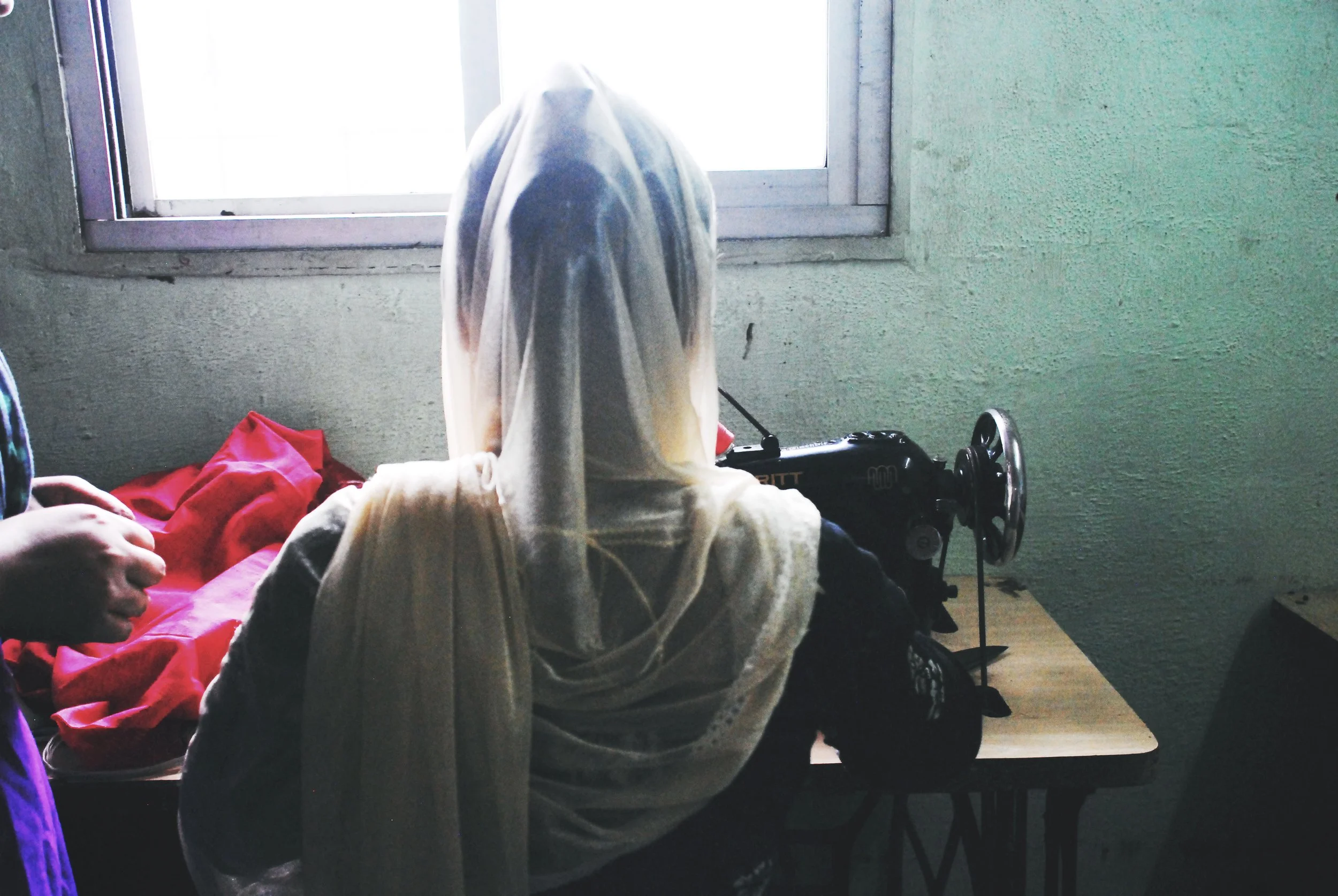
I was there to learn and access what goes on the manufacturing side of the industry and understand what their needs and concerns were. The factories that I met with on a small scale were employing women rescued out of sex trafficking, providing life skill classes, financial planning, or even housing.
On a larger scale, I met with India’s largest exporter that works with Target, H&M, and Kohl’s. They have the leading labor standards in the industry. They have an onsite daycare, a cafeteria, and even machines that dye denim with one glass of water. I was there for three hours with my jaw on the ground.
I was sitting in these incredible factories and they were all doing such great work but they all had one thing in common - which was they didn’t have good websites. So it was obvious that it would be impossible for a brand in the USA to be able to find them and work with them. It seemed really obvious to me that there needed to be a place where brands could search ethical factories around the world and set up their supply chain so it could affect people and the planet.”
BUILDING THR3EFOLD
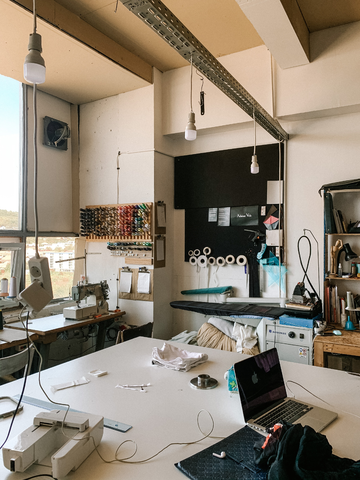
So that’s exactly what she set out to do. She crowd funded her site in 2018 and built a platform that enables brands to search ethical factories around the world in which they can compare pricing, share project ideas, manage their production all in one place. Factories have a profile in which they can sign up and provide key information such as their ethical certifications, categories, minimum order quantities, and are also able to upload examples of their past work, the actual facility and even photos of their team. By using this platform you can easily compare each factory based on these types of factors such as pricing, project, category, etc. From there you can actually manage everything from within as a project management tool for sourcing.
In addition to providing introductions for small brands to larger factories, Thr3efold also helps each brand along their journey. Their twice a year coaching club cohort is a four-month accelerator program that assists in both the pre-launch, to scaling brands. They cover everything from production, marketing, wholesale, press, and even how to get funding. But most importantly they help navigate the sustainability know-how and supply chain which can be the most difficult part of creating a brand.
THOUGHTS ON...
Sustainability for Small Brands
“Sustainability is a massive sliding scale. What I tell small brands is that if (huge) brands like Eileen Fisher and Patagonia are still learning how to improve, you’ve got a long way to go. Just get started because you’re going to learn, fix, and grow. There’s always room for improvement, and there are constantly new innovations making it easier to be sustainable.
Greenwashing
The actual idea of greenwashing which is running with one idea and making it seem like you are doing more is obviously not good. However, that being said, I also don’t want to keep brands that employ thousands of people out of the conversation and out of the journey to being more sustainable. The reality is if you have an established brand, you have shareholders that you are beholden to and profit margins that you have to meet. Period. So what I think is we need to get better collectively as an industry, especially within the sustainable and ethical community to create avenues to be welcoming and take that journey towards being more sustainable. It’s a sensitive subject because you don’t want brands hopping on a trend to make more sales when the point is to fix the industry, but at the same time I think realistically understanding that if we’re going to change this industry, we ALL have to change it, and that includes these big brands.
So how do we help them turn that really big shift. That’s what we want to do at Thr3efold. These brands are already employing tens of thousands of people around the world, so how can we empower them to do that better.
H&M
Typically the company that has their head on the chopping block, H&M actually pours millions of dollars every year into companies who are working on innovation within circularity and sustainability because they do want to make a change, but they are realistically in a business model that is not conducive for this plan so they are trying to do what they can there.
But also when I think about it...I’m from the Carolina’s. I have a lot of friends and family, who haven’t even heard of Aritzia much less Maria Cornejo, or Gabriella Hearst or Stella McCartney. It’s not their world.
So H&M is able to reach those people and talk to them about recycling your clothes, and what is organic cotton and why should you care. They’re able to do it in a way that small brands aren’t. And the small brands have created this demand and created this trend from the groundswell of B2C brands. So we kind of need each other. That’s what it’s going to take to change this whole industry.
Entrepreneurship
I think everyone, even if they don’t mean to, are overworking to overcompensate for the uncertainty (of COVID).
I’ve been doing so much to keep building resources, so that can I serve brands better. But I am not one of those founders that believes you never sleep and never stop working. I believe that rest and recharging is a big part of being able to keep going.