Posts filed under ARTICLES

I used to be Addicted to Fast Fashion

how to shop sustainable fashion

When it comes to sustainable and ethical fashion, you may have noticed that I've been writing a lot more about this topic.  After finally watching the incredible documentary The True Cost, I've had sort of epiphany when it comes to fast fashion and the impact it has on the world.

 As a once struggling college student (and even several years after graduating), I would only shop at fast-fashion retailers.  I thought I was being thrifty and smart about saving money.  The truth was that I was a trend-hungry fashion obsessed person who really had no idea of where or how my clothing was made.  

Still to this day, I can’t help but find a “good deal”. I honestly think this has been somewhat ingrained into our subconscious from marketing campaigns and the need to save money.

The funny thing is that the average person now buys 64 pieces of clothing a year according to an article on Fashionista, and Forever 21 stocks up more than 500 new styles per week.  

Who really needs all those clothes?

Unless you’re a celebrity or possibly someone that works for a magazine, who is really going to be judging you?

It really boils down to your own self-confidence and what is important to you.

As I grow older (and hopefully wiser), I’ve come to realize that I want to live by the motto “less is more”.

We’ve all heard this phrase, but when it comes to fashion.  I’ve always wanted more, more and more, and with fast fashion, this was absolutely achievable even as someone on a tight budget.

However, the impact it’s having not only on our environment and affecting the lives of so many factory workers, I’ve finally come to the realization that it’s just not worth it.

i was obsessed with fast fashion

I think it’s great that the slow fashion movement is slowly starting to happen, and that people are beginning to adapt to a more minimalistic lifestyle.

It’s also great that many fashion companies are beginning to notice this slow demand as well.

Hopefully, in a few years, the entire industry will begin to pick up and begin offering more sustainable and ethically made garments.

So in the meantime, what can we do?

Well, for one we can start educating ourselves.

I used to think that I was sort of doing good by donating my clothing to the goodwill. The truth is that clothes aren't actually even ending up with someone who actually needs them. So by buying disposable clothing from fast fashion retailers like Forever 21 or H&M, we are basically contributing to the huge amount of clothing that becomes a high pollutant due to the chemicals used to make the fabric.

An average person gets rid of 82lbs of clothing per year, therefore contributing to the 11 million tons of clothing waste a year according to The True Cost.  

The only way to make this happen though is to start shopping slow fashion as a consumer.

We need to start researching the brand and designer before purchasing and begin making better choices when it comes to purchasing.    

We can start building our capsule collections and look at what we need, rather than what we want.

I guarantee if we all started making these small shifts and committed to cutting out our fast-fashion habit, we’ll begin seeing bigger and better changes in the fashion industry.

I would hope that in the long haul it will be similar to the organic food market, in that people now pay double for groceries because they want to ensure their food is organic and fair trade. It used to be a ludicrous thought – who would pay double for some organic fruit or chicken? But slowly but sure people started to do so, and prices were able to drop.

Same thing goes for slow fashion. 

If we as consumers start boycotting fast fashion, they (giant retailers) can’t open up massive stores on every corner or mall (which is gross) and we should compare to not wanting a Wal-Mart in our neighborhood.

According to the True Cost movement, there are five things we can do to help push this ideology along.

#1 Will you wear it 30 Times?
I love this rule. I remember the mentality of being able to buy a $20 dress from Forever 21 because then I could just throw it away if I suddenly become bored of it. By making better choices in style selection and really thinking about if you’ll wear the garment at least 30 times, is a great start to becoming more intentional with your shopping.

#2 Break the Cycle
Try to help slow the fashion cycle down. The traditional fashion weeks of spring/summer and autumn/winter are now something of the past due to giants like Zara who put out 50-100 mini seasons a year. This has become the new normal and it’s an absolutely horrible thing for factory workers and the whole slow fashion movement.

#3 Spread your Fashion Budget out
Instead of buying 64 pieces of cheap crap, maybe buy 32 pieces and look for brands that value higher standards in terms of fair trade. 

Here is a list of our favorite brands and online stores that are not only sustainable but incredibly stylish as well.  

Zady | People Tree | Patagonia Nisolo | EverlaneReformationCuyana | Clare V (bags/ accessories)Raven + Lily | Master and Muse | Indigenous | Shop Ethica

#4 Detox Your Wardrobe
Did you know that fashion is the world’s second most polluting industry after oil? Crazy right? Due to all the synthetic dyes from various fabrics being toxic, 10% of the world’s biggest fashion brands have committed to phasing out these substances. Check out the list of retailers who are slowly detoxing their wardrobes here.

#5 Join the Fashion Revolution
Subscribe to fashionrevolution.org to stay in the know of all events, news, and things you can do in order to bring awareness to this topic. I’m pretty sure there are TONS of people who really have no idea what’s going on when it comes to unethical and unsustainable fashion. So start being the change you want to see in your wardrobe.

Did you like this post and list of ideas on how to shop sustainable? Leave us a comment below! Or if you have any resources you'd like to share let us know too! 

The Three Ethical Brands You Should Support on Kickstarter Today

You’ve probably seen your friends or favorite small brands share a Kickstarter campaign to help fund a project underway, and the method of crowdsourcing makes sense for designers who take their ethical responsibilities seriously when creating their wares.

Why does a Kickstarter campaign line up with the values of an ethical, sustainable, or eco-friendly company? It allows business owners and designers to keep things 100% DIY.

With no outside investment or corporate sponsorship to cater to, creative professionals are able to devote their time and efforts to achieving their vision, and in keeping their mission transparent with potential backers, you know exactly what you’re gonna get with that monetary pledge.

We’ve found three brands currently raising funds with their own Kickstarter campaigns that are not only items we would totally love to own, but their values and mission statements is something we can stand behind. 

SEINCLLN 
G
oal: $24,468

Working with skilled artisans from Britain to deliver minimalist designs, SEINCLLN combines traditional methods with the most current technology to create truly one of a kind looks. Big supporters of the “slow fashion” method of creation, SEINCLLN’s Kickstarter boasts zero waste designs at 50% off retail prices, with donor rewards ranging from a thank you email to a plane ticket to Europe to create a custom-designed piece of your own.

top kickstarter campaigns to support

PONYBABE
Goal: $22,000


Designed and manufactured in the U.S., Brooklyn-based brand PonyBabe is raising funds to fund their first production, ensuring a strong start to the young company. Using eco-friendly, raw materials to create ethically produced garments, PonyBabe delivers easy-to-wear clothing that feels good to wear, and buy. Their first collection, called The 24 Hour Outfit, consists of a wrap, racerback tank, cardigan and pleated pants, all made of organic cotton and bamboo, and pledges will buy supporters single pieces or the entire set at below-retail value, and ships anywhere in the world.

THE BEST FASHION KICKSTARTERS TO SUPPORT
PONY BABE KICKSTARTER

BlueBlood
Goal: €4,000


While this campaign is technically closed, overreaching their goal by more than €2,000, we still thought the brand was worth mentioning in case anyone is looking for a sustainable yet affordable leather bag option to shop from. The Belgium-based company aims for classic over trendy, creating timeless pieces with a fine attention to detail only a true master of their craft can command. You can check out their Kickstarter campaign for a look at their fine leather wares here, featuring their take on the classic satchel, barrel bag, and backpack.

BLUEBLOOD KICKSTARTER CAMPAIGN

Top 6 Tips Sustainable Fashion Bloggers Live By

With the fast-fashion business model pumping up the volume of garments being produced, the fashion industry has become one of the largest environmental polluters in the world, second only to oil.

In recent years, more and more people are becoming aware of the damage being done, not the mention the unethical working conditions that allow for such wasteful mass-production, and are taking back the power of their purchase by hitting the industry where it hurts most - right in the pocket.

With the future and fate of the planet in mind, many consumers are looking toward making ethical and sustainable choices when browsing the racks.

Whether it be by supporting brands who create their wares with recycled fabrics or vegan leather or educating themselves on the ethics involved in getting their garb from the factory to the retail floor, consumers are letting the industry know what they value, and big business is starting to take notice, as evidenced by the recent launch of a sustainable collection by global retail force, Zara.

If going all-in sounds like an overwhelming feat, don’t worry: there’s no right or wrong way to make sustainable choices.

Many people start out by making small changes when and wherever possible, learning along the way and allowing themselves make more informed decisions with every decision.

Luckily, for anyone interested in learning more, there is a wealth of first-hand information out there to help guide you, from bloggers to Instagrammers, to ethical fashion designers and boutiques.

We spoke with some of the top eco-friendly fashion bloggers working today and gathered some valuable tips easy enough for anyone looking to change up their shopping game, and use the power of their dollar to change the world, one purchase at a time.

“Buy from brands who are transparent about their circular story from cradle-to-cradle. Even if it's imperfect, you know if they're honest about where they're at and where they wish to go, and your support will help them be that change.

As consumers, it is our responsibility to know how our products are made, how they affect us when we use them, and what happens to them after we dispose of them.

Once you understand the story of each product you use or habit you've made, you truly become a conscious consumer." @leotielovely

“Sustainability can be an overwhelming status to achieve. I’d encourage you to not be stressed with the idea, but to place small eco-friendly adjustments into your life. For example, do you have a recycling bin? How about swapping out that chemically face cleanser that stings your skin to something all-natural? Treat yourself to a pleasant morning by biking to the farmers market, or feel good by picking up a few pieces of litter when you walk down the beach. Making green adjustments takes us back to our human roots and feels noble and honest. Take pleasure in being kind to yourself, and the world around you. When you open up your mind and heart to yourself, nature, and life around you, you grow as a human and a pleasant philanthropic fire in your heart will grow.  Do your best and have fun taking control of your life with conscious, kind decisions that radiate positivity.” 

“The one tip I have is to ask questions about the story behind any product we buy so we can make more informed, purpose-driven purchase decisions.” @kameachayne

The one tip I have is to ask questions about the story behind any product we buy so we can make more informed, purpose-driven purchase decisions @kameachayne

“Do your research, as some companies pose as being ethical/sustainable but actually they're not. Also, before you buy anything, really try and think about if you're going to use it and wear it enough. I like the 30 wears idea and try and adhere to that.”
@englishlassinla

Do your research. Some companies pose as being ethical/ sustainable but actually they're not. Also, before you buy anything, really try and think about if you're going to use it and wear it enough. I like the 30 wears idea and try and adhere to that. @englishlassinla

“When it comes to ethical fashion my main priority is a sustainable planet. What that means to me is thinking about the impact something would have on the planet. Of course you can try to find out if the fabric is recycled or organic, but more often than not a retail assistant might not know the exact story of the fabric or garment. A tip I would say is feasible for the everyday consumer would be to simply:

Feel for quality. Make sure the fit is perfect for you and have at least 5 outfits in your mind that you know you can pair this piece with. If the garment is not
a) high-quality b) a good cut AND c) not versatile enough to make 5 outfits, don't buy it. Even if it's got a higher price tag, you will get a gazillion times more wear out of it than you would if you were to invest in a cheaper/less quality item that you're just going to chuck in a few months.” @ethicalfashionblogger

photo via mochni.com

photo via mochni.com

"When I buy ethical clothing online (and when I shop new clothing, I mostly shop online), I always check these fact:
I go to the brand´s website. First of all, I check their about page to see on which kinds of ethics they are focused. Then I check the products in their online shop to see the materials. I always prefer eco-friendly materials for example in summer: linen, organic peace silk, organic cotton and in winter: alpaca fiber and ethical wool in general. When I do not find much information about a sustainable brand, I won’t buy there. 

I think it takes a lot time to search for ethical and sustainable fashion brands, which are super modern. And that is why I will launch my new platform THE ECO ALPHABET (ecoalphabet.com) in 2017. It is a directory, where you can search, filter and explore really cool sustainable fashion labels. Brands can now apply for a registration. I think this will be super helpful for shopping tips." @mochni

written by Kristin Howard 

Posted on October 26, 2025 and filed under ARTICLES, sustainable fashion.

Zara’s New Sustainable Line Is A Small Step In The Right Direction

There’s no question that clothing and accessories retailer Zara is a force to be reckoned with. What started as a single store in Spain has since grown to become a name known around the globe, and is now the main brand of Inditex, the largest apparel retailer in the world.

With great power comes great responsibility, however, and it’s probably news to no one by now that one of the biggest names in retail has majorly dropped the ball, to put it very lightly, in terms of making ethical choices when it comes to their business practices. With multiple discoveries of overworked laborers, including children, being forced to work and live in sweatshop conditions in both Argentina and India, and the theft of design and intellectual property from small, independent artists for its own use, the brand has clearly risen to power by exploiting the efforts of those less powerful.

That being said, the company is looking to make some major changes.

 Join Life their new sustainable collection; photo via: Zara,

 Join Life their new sustainable collection; photo via: Zara,

In September of this year, the retail giant has made a small step in the right direction with the release of its brand new sustainable collection named #JoinLife, which “embraces a woman who looks into a more sustainable future.”

Creating contemporary looks with materials such as organic cotton, recycled wool, and Tencel, a sustainable fabric created from wood cellulose, the items featured in the collection are created to keep the impact of the environment, and your bank account, as low as possible, sticking with Zara’s usual price point.

join life zara's new sustainable collection

In an effort to possibly amend the wrongs made by adapting to the fast-fashion model (Zara created over one billion units in a single year - hardly an environmentally friendly deed as most of those materials likely ended up in a landfill,) the company is encouraging its shoppers to recycle any unwanted clothing in containers located within their storefront locations, 50% of which are said to be eco-efficient to reduce both energy and CO2 emissions.

While it may be “too little, too late” for some, the truly promising aspect of Zara’s step toward sustainable practices lies within its parent company, Inditex, who has strengthened its commitment to sustainability and change on a global level by adhering to the 17 Sustainable Goals created by the United Nations, according to their 2015 annual report. Zara is also taking steps to make their supplier chain a bit more transparent, in addition to working with various organizations to “protect workers’ labor rights and to care for the environment.”

join life collection by zara

Efforts to take any business practices in a more sustainable direction are always worth respecting. It may not make up for any past wrongdoing, but it’s a step in the right direction, and one that we hope will work out for the best, possibly even encouraging other fast-fashion retailers to follow suit, improving the conditions of the world we live in, and the people we share it with, one purchase at a time.  

article written by Kristin Howard 

Posted on October 19, 2025 and filed under ARTICLES.

A Look At East Asian Beauty Standards, And What It Means For The Global Market

Large, round eyes, light skin, a narrow nose - it’s no secret that East Asian beauty ideals value a certain look.

 A quick look at China’s number one photo retouch app, MeituPic, reveals filters and features designed to do everything from attaching cute stickers, to slimming the face or enlarging one’s eyes. Just across the Yellow Sea, South Korean app, Snow, and Japanese app, Line Camera operate in similar fashion.

With China, Japan, and South Korea becoming more influential by the minute in terms of beauty regimens, makeup, and skincare, the use of these apps shines a light on the markets they both support and impact.

photo via allure mag

photo via allure mag

Where some Western standards value an athletic or full figure, most Asian cultures and society have, for centuries, deemed feminine beauty to reflect a sweet, passive and demure aesthetic. This could be a reflection of societal cues, though some believe the disparity to indicate the underlying belief of what each defines “beauty” to mean.

“Part of this difference [in beauty standards] comes from the fact that the East equates beauty to balance,” Wei Young Brian, founder of traditional Chinese medicine beauty brand, Wei Beauty said in an interview with Business of Fashion. “The aim is to balance yin and yang in order to achieve inner health and outer beauty.”

The important role health plays in East Asian beauty standards and practices cannot be stressed enough, and many consider what shines from within to measure one’s true allure. The South Korean skincare industry has been reaching users all over the world, and in addition to the infamous 10-step routine, the use of skin brightening pills and collagen drinks are helping women and men achieve a healthy glow from the inside, out.

 “Most Korean women use at least four or five products just for basic skincare…Many of them also use at least seven or eight products for their evening skincare routine,” said team leader of AmorePacific’s brand management team, Hye Ran Ji.

The balancing act comes into play when that inner radiance is met with an understated makeup practice. While it may require 25 minutes of scrubbing, oil pulling and patting dry just to get to bed each night, what gets applied during daylight hours remains far less intense, making one’s skin, and inner health, the true star of the show.

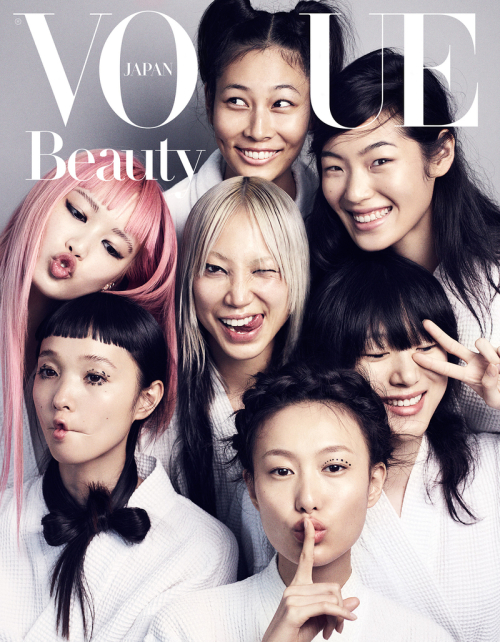
The cover of Vogue Japan, September 2016

The cover of Vogue Japan, September 2016

“Korean women tend not to put so much colour cosmetics on their face, as the tendency is not to look too glamorous. Instead, they are more keen to achieve a pure and minimal look,” Ji added.

While this may sound odd to contour-happy Westerners, the influence K-beauty has on the global market should not be underestimated, with Euromonitor measuring export values at $207 million - a nearly 60% increase from the previous year. This detail, combined with the fact that every top fashion and beauty print publication out there has introduced the Western world to double cleansing and sheet masks, and you have the makings of a serious force to be reckoned with.

The importance of inner beauty notwithstanding, there is still something to be said about the pressures East Asian women face to be beautiful. As a leader in cosmetic surgery techniques, the area boasts the highest rate of surgery in the world, and the “cute” ideal, known as “aegyo” in South Korea, or “kawaii” in Japan, places a large emphasis on remaining youthful and submissive, heavily influences to appeal to the gaze of a historically patriarchal society.

All that being said, there is change to be witnessed in certain areas. With K and J-Pop on the rise, the youth of Asia is keen to embrace less conventional symbols of beauty.

Celebrity figures, such as Japan’s conventionally beautiful Yo Yoshida, represents single, working women, inviting the old standard of what makes an attractive woman into the modern conversation.

Li Yuchun on the cover of Grazia China |Photo: Fashionista

Li Yuchun on the cover of Grazia China |Photo: Fashionista

Gender roles are also becoming more and more fluid with each passing year, as prominent figures are less inclined to stick to rigid menswear or womenswear collections, a trend which is already reflected in retail markets.

“Most of our younger female clients are quite comfortable with unisex clothing [and many now] end up purchasing men’s styles too,” said Richie Chan, founder of Chinese boutique Triple Major.

While Western beauty standards are currently undergoing their own revolution, it seems the objective is to allow a more diverse idea of what could be considered beautiful.

East Asia seems to be looking for more ways to encourage individuality.

Either way, the standard is changing the world over, and we cannot wait to see what’s yet to come.

Written by Kristin Howard 

Posted on September 28, 2025 and filed under ARTICLES.

Forget Coconut Water - THIS Is The Next Super Beauty Drink

For a few years now, coconut water has been all the rage, offering a tasty and hydrating alternative to plain old water. Recently, the health and beauty community is looking elsewhere to meet their hydration needs, and their sights are pointed toward the silver birch tree forests of Northeastern Europe for a nutrient-filled option that’ll be sure to crack the coconut trend in no time.

global beauty secret

Only new to those not in the know, birch water has been used for centuries by Nordic, Slavic and North Asian cultures to hydrate and detox the body, while adding necessary nutrients that most beverages fail to offer.

NYC-based company La La Birch is hoping to introduce this slightly sweet and highly beneficial beverage to the global community, sharing the beauty secret coveted by Nordic women for years. Organic, healthy and all-natural, the brand delivers minerals and micronutrients in a great-tasting drink comprised of countless benefits.

Drinking water for your health’s sake is nothing new, so what makes birch water stand out? Two things: the taste, and the properties.

Celebrated as a potent anti-aging remedy, birch water works to eliminate toxins from the body by helping the kidneys and liver flush waste products, delivering healthier skin.

Rich in proteins, vitamins and minerals, this natural diuretic contains all the components necessary to promote skin cell turnover and protection, resulting in that natural glow you might otherwise need 12 hours of sleep, or 12 years off your life, to achieve.

As for the taste, Finnish model/actress Sini Hill, who has recently stepped in as the face and brand ambassador of La La Birch, describes it as “...slightly sweet, and it’s also a bit sour. It’s very refreshing,” in a video featured on the company’s website.

sini hill for la la birch water

While technically the pure sap of the silver birch tree, birch water is known for its clean and crisp taste, refreshing both palates and complexions in addition to offering a multitude of benefits, including the lowering of cholesterol, strengthening of the immune system, and relieving of arthritis and joint pain, among others.

Whether you’re looking to naturally improve your health, or reduce a few fine lines from your face, this secret global beauty drink is likely one you won’t be able to keep to yourself. To learn more about La La Birch, or the benefits of birch water, you can find more info online at lalabirch.com.

Written by Kristin Howard

Posted on September 21, 2025 and filed under ARTICLES.

6 Valuable Lessons To Learn From Today’s Emerging Sustainable Designers

The CFDA + Lexus Fashion Initiative focused their efforts on “socially and environmentally responsible practices,” choosing 10 brands to participate in the program. Designers from each brand sat down with Fashionista to talk about their process, shining a light on both their accomplishments and the struggles faced by a company looking to keep sustainability at the forefront of their mission. 

Several common themes came up during the discussion, some specific to small business practices, others reflective of industrial obstacles at large.

We’ve rounded up six valuable lessons anyone can learn from the emerging designers featured in the inaugural business development program. 

1.    When building a team. Designer Maria Cornejo has been steering her brand for the last 18 years, and just recently decided to shift her focus on fighting wastefulness during her time participating in the Initiative. Now that she’s identified the “heart” of her brand, she’s placing the same importance on material and production as she does making sure her team understands and believes in their collective vision, forming a stronger cohesive unit as a team driven to share the same message. “Everybody is responsible right now and they are the gatekeepers,” she told Fashionista. 

Sundays with @amy_sall in Bruna Sandals ⭐️🕊☄🍾💛 from Ethiopia with love ✌🏿✌🏾

A photo posted by Brother Vellies (@brothervellies) on


2.    When dealing with investors. For Brother Vellies designer and owner Aurora James, staying independent has been the key to remaining sustainable, though it’s easier said than done. “It’s actually been really hard,” she says. Remaining loyal to the African artisans that make her footwear brand what it is, resisting the pressure to succumb to investor offers has been the key to maintaining the social initiatives her brand so values. "I've been really protective over maintaining 100 percent ownership of my company so that we continue to have the freedom to make sustainable choices.”


3.    When sourcing materials. “Conflict free” materials are a must for jewelry designer Wing Yin Yau, founder of Wwake, though there may be a lot left unsaid when it comes to sourcing jewels bearing that label, as not all areas of labor exploitation are always addressed. Now producing about 30 percent in house using recycled material and traceable stones, the desirability of working with artisanal miners comes with it’s own set of problems, as many small-scale miners work to produce one-of-a-kind items, making for a slow growth process. 

Love this shot for the #AllWomanProject featuring our fw16 pleated skirt #IAmAllWoman

A photo posted by SVILU (@svilu) on


4.    When navigating production. Looking to create “mindfully made” wares with their brand Svilu, designers Britt Cosgrove and Marino Polo have their fabric choices and use of non-toxic dyes down, though finding a mill to produce them comes with a different set of challenges. “We do our best to research the origins of our fabrics and seek certification but it's been challenging to know which questions to ask our mills," Cosgrove stated. With production minimums usually running on the high side, it all comes down to a matter of scale. ”Pulling together a group of designers to reach a minimum would be a great solution,” she says. 


5.    When educating your market. In a world of fast fashion, department store turnover can make difficulties for any “upcycled and reclaimed” brands, such as Tome, specifically, their denim line. "They are very difficult to get around,” says designer Ramon Martin. When your brand relies on stockpiled denim, quick and identical reproduction is just not possible, making clear and upfront communication an essential aspect of maintaining a working relationship. “We have to educate the retailer to understand that these things work on their own calendar, and it's been very, very challenging [for] denim."


6.    When designing for a luxury market. When it comes to fashion, quality is everything, and since sustainable brands often hit luxury price points, consumers aren’t expecting less than high-end. “The woman who's buying the product wants aspiration, so we can't compromise just because it's environmentally friendly...if it doesn't feel great to touch,” says designer Prabal Gurung, who explores the use of bionic yarn, organic cotton, and wet-green leather to complete his looks. Because the tanning process of the latter isn’t up to luxury standards yet, sustainably appealing to the luxury market remains a work in progress. 

Posted on September 6, 2025 and filed under ARTICLES.

Americans Could Take a Few Hints From New Zealand brand Lonely Hearts with Lena Dunham

new zealand lonely hearts campaign

“I don’t recognize my own fucking body anymore.” 

Writer/actor Lena Dunham wrote that statement in her newsletter, Lenny, back in March of this year, where she publicly stated that she would no longer allow magazines to alter and manipulate her photos. Lonely Hearts took notice, and with the help of Girls co-star Jemima Kirke, teamed up with the star to deliver a body-positive lingerie ad campaign, entirely unretouched. 

The New Zealand-based lingerie brand, openly “celebrates the strength and individuality of women and creates lingerie, swimwear and clothing that embraces and empowers them,” according to their website. 

The pair are featured in the brand’s series titled Lonely Girls, an “ongoing journal series featuring candid portraits of inspiring women in their own spaces wearing Lonely, their way,” as stated on their site. Dunham and Kirke strip down to bear the brand’s stunning garb in the Photoshop-free set, which features an array of models from various parts of the world, all relying on nothing more than the natural light of day to allow their natural beauty to shine. 

“Instead of being objectified, the women who participate in these campaigns—in this case, Lena and Jemima—are empowered and exhibit real beauty that will hopefully help women everywhere feel a little more liberated,” Lonely Hearts told Dazed in a recent interview. 

positive body image campaign lonely hearts new zealand

Not only does Dunham prohibit Photoshop to edit her images, Lonely Hearts as a company also abides by this value, making this pairing a natural fit. Regularly sharing images from campaign shoots on their own Instagram, the brand “aspires to showcase women wearing underwear in a way that we usually don’t see in mainstream advertising and the media.” 

American campaigns can take a cue from what the direction this Kiwi brand is going. With social media always on the rise, and “real” women making names for themselves in the influencer sphere, it’s no secret that fans and consumers alike are looking to relatable figures to serve as a voice they can trust. 

lena dunham and jemima kirke

With the Lonely Girls campaign, this forward-thinking brand showcases the body the way any good piece of lingerie should - using comfort and confidence to highlight one’s assets in a very real way. Lonely offers its supporters what they want - a realistic glimpse at just how great their items can look on almost any body shape, size and type. No smoke, no mirrors, and absolutely, positively, no Photoshop. Ever. 

You can view Lonely’s campaign online at lonelylabel.com/girls, or follow their vision on Instagram @lonely. 

Written by Krissy Howard

Could Man Repeller Be The Most Punk Rock Force In Fashion?

Even if you don’t consider yourself a particularly fashion-savvy person, you’ve probably heard of Man Repeller. Appealing to pretty much anyone with a sense of humor and an appreciation for individual style, the little blog formed in 2010 has since grown into a legitimate brand, and one which answers to no man, no matter how well-dressed. 

Steering the ship is Leandra Medine, who created Man Repeller while pursuing a journalism degree at The New School in New York City. Much the same as today, the blog featured images and personal anecdotes showcasing Medine’s “man repelling” choices in garb, and became an immediate fave among readers, many of whom have remained loyal followers since the beginning. 

photo via fashionista

photo via fashionista

"At first I really felt like it was a moment, so I wanted to ride the wave while I was still on it and not under it,” Medine said in an interview with Fashionista. “But after the wave wouldn't break — which was great — I realized that I was sitting on something that could be a potential business."

Now understanding that Medine had a major platform in which to showcase her talents, she used the opportunity to build a community of fellow like-minded women around the world, offering her own vulnerability to encourage an honest and supportive understanding amongst her clan. This seems to be what sets Man Repeller apart from the rest - it’s authentic, it’s individual, and perhaps most appealing, reading it almost feels like a gab session with an old friend. 

"One thing I tell all my editors when they start working at Man Repeller is: 'Don't think about whom you're writing to; just pretend you're writing an email to a best friend about something you just experienced,” Medine said. “That's the way we approach our content.” 

So what allows Medine and company to continue to expand while sticking true to their core beliefs? They keep things DIY, answering to no one but themselves, and maintaining 100% creative control of any and all content they wish to share. Fully self-funded, Man Repeller is able to do what they do simply because none of their editorial decisions are made to meet the needs of “fancy men in suits.” This freedom to grow is not only ideal for Man Repeller’s creative team, but its subscribers as well, and the uncompromised voice is sure to play a major part in what keeps readers coming back for more. 

Medine keeps her head in the game and her eye on the prize, and as she and the Man Repeller team continue to do the right things for the right reasons, their fan base continues to rally around them, giving what started as a little blog in 2010 a life of its own. “...You have to believe you can do it — because the world is going to tell you that you can't and you're not going to realize that until you actually start doing it," she said. 

To visit Medine and company online, visit www.manrepeller.com. 

5 Differences Between Blogging in Brooklyn versus Melbourne

One of the best things about blogging is meeting different bloggers from around the world. One introduction can easily create a snowball effect, which can lead to many new interviews and connections.

from brooklyn to melbourne

If are you are new to Global Garbs, you may not realize that the majority of creatives and influencers we typically feature are women. 

Well, today we're changing it up a bit. 

Meet Gideon Heine from About-Blank. When we discovered that About Blank was actually an amazingly inspiring collective of stories and interviews, we knew we had to feature him. 

About Blank started in the summer of 2014, as a way to showcase local artists, musicians, and designers. 

Originally from Melbourne, Australia, Gideon or Giddy spent almost two years living in Brooklyn, New York to shake things up a bit. 

Realizing that you can't help but be influenced by your surroundings, Gideon's vision was always to take the blog to the next level. He certainly has managed to do so with his curated content, from what's happening globally, to what's going on in Melbourne. 

Read on to get Gideon's take on the differences between blogging in Brooklyn vs Melbourne, and how you can adapt to different markets in order to grow your blog.


DIFFERENCE #1: FASHION WORLD ON STEROIDS

Melbourne has an incredible batch of upcoming designers with PAI, Aje and Dion Lee to name a few. But it’s no New York.

Melbourne designer Aje

Melbourne designer Aje

Working at a high-end fashion magazine at the time (Vs Magazine), my commute on the L train sums up New York fashion.

People love forking out their paychecks to buy the latest collection of some designer they heard about from a friend at a DIY warehouse party on the weekend.

That sentence just wouldn’t make sense in Melbourne.

You only have to look at NYFW to truly understand where the world's eyes are.

Outside each show will be photographers from Vogue, Dazed, New York Times and pretty much every other major editorial out there.

That does not exist in Melbourne. Sure there is street style, but not an array of highly respected editorials.

Not to mention the celebrities and socialites that attend these shows and the after parties.

God how good are after parties in NY?! Networking 101 right there. 

DIFFERENCE #2: WIFI IS EVERYWHERE!

A bloggers best friend is WIFI and how can you not love blogging in New York when you can set up camp in any café with coffee in hand and your mac in the other.  There is nothing more I miss than working from AP Café (Bushwick) or Devocion (Williamsburg) on About-Blank.

about blank gideon heine

Furthermore the opportunities to just ask the person next to you, “what are you working on?” is always greeted with a smile. 

To blog in Melbourne is to pay for a studio space, an office or from home. You just don’t meet the creatives in the street as often, it takes more networking abilities and effort.

Having the opportunity to work from anywhere in the city is something you must take advantage of.

Change your surroundings for the day and you never know who you may end up bumping into. Could even be Gigi Hadid, which happened to me one day when I found myself working at the Soho House. 

DIFFERENCE #3: NETWORKING

The typical greeting in New York is “Hey, what is your name and what do you do?” And everyone will answer it with some sort of fascinating story of what they’re working on and how they got there.

Melbourne requires that friend for the introduction, that extra leg of effort to delve into your niche market.

There is no niche in New York, everything there is just way too big to be niche. 

This is one of the most important keys to being able to live in New York. Constantly meeting new people and more importantly remembering their names! It’s a true talent and don’t take it for granted.

Never be too shy to hold back from hitting that person up for a favor, even just after you met them.

The number of times someone was asking me to collaborate with them before even knowing their name was astonishing! 

DIFFERENCE #4: HUNGER FOR SUCCESS

New York natives don’t just want to get by, they want to be at the top of their game.

You need to learn to hustle and hustle hard. I can’t tell you how many days I spent running around the city either photographing models, lugging around designer clothing for shoots and interviewing artists from the depth of Brooklyn to the galleries around Dia:Beacon. You just do it and smile. 

Melbourne life is easy. You get in your car, drive to your coffee date or shoot location and everyone is laid back and easy to get along with. Sure the competition is fierce here, but no one is trying to be the next Marc Jacobs or Annie Leibovitz.

blogging around the world

DIFFERENCE #5: BLOGGING CULTURE

Being able to collaborate and grow your blog is the fundamental way to growing your audience.

With the exponential amount of bloggers in New York, the ability to meet and collaborate with your newfound friend is awesome. Do not be afraid to send that introductory email or ask your friend to get you into an event because there is no shame in NY.

One of the first bloggers I met was WhoisApneet, who invited me to a Cutty Sark event. Just from that initial email, I attended monthly events of unlimited alcohol, bowling at Brooklyn bowl and access to headlining acts and other bloggers to collaborate with.

giddy heine from about-blank.co

Melbourne is less social. The big events, gigs, and shows are not nearly as often or even worthwhile. Just last week I went to a Vice party in Melbourne and even that had maybe like 20 people there as opposed to the one in New York which had 250.

Ultimately I’m a big fan of the 24-7-1 rule, begin the project within 24 hours, have the concept down packed within the 7 days and finish or have the prototype within 1 months time.

Wherever you may be living just take into account what can work the best within your surroundings. 

Be sure to follow Gideon and About Blank on Facebook, Instagram, and Twitter

RELATED POST

FOR MORE ARTICLES FROM INSPIRING CREATIVES AROUND THE WORLD. 

↓ SUBSCRIBE FOR FREE HERE ↓

Interview with Founder of Lucky People International

One of the best things about Instagram is discovering new brands and companies from around the world. We recently stumbled across a brand called Lucky People International which originally caught our eye due to the name (quite catchy), and the beautiful images of artisan products.

We were able to chat with founder Sergio Reyes about why he started Lucky People International and how the business originally came to life.  

As a filmmaker by profession, Sergio couldn't help but admire the art, narrative, and uniqueness in the places that he would visit. 

One thing he realized while visiting various countries such as Colombia and Argentina was that there was a lot of isolated creativity.  There were plenty of unique creations without a real audience.

As an artist himself, Sergio was personally impacted by this problem, which was how the brand originally came about.

Despite Sergio's current work in many huge commercial areas such as film, photography and graphic design, he chose to dedicate himself to this project and apply his many skills to help promote these local artisans.  

With the help of a small but mighty team, Sergio is slowly paving the way for designers and artisans from the smallest towns across the globe.  

But the idea of Lucky People International as it is today officially started to cook in his mind after spending almost a year in New York in different neighborhoods in Brooklyn and Manhattan.  

Here he was able to witness at first hand a burst of creativity everywhere he looked, from people from all around the world trying to make a living from what they truly love.

After NY, he flew to Buenos Aires, Argentina, where he began to go to artisans fairs and visit different regions in the country to buy the most beautiful items he could find.

During this journey, he made the decision to focus at first in third world countries and isolated towns or communities, but eventually will integrate more first-world urban items made from artists whom he hugely admires as well.

Read on to learn more about Sergio and Lucky People International.

Where are you based? 

I am based wherever Lucky People International takes me, right now, I am managing things from Colombia, in a couple of months, it seems like it will be Mexico. 

When did Lucky People International start? How long have you been around? 

It started actively around a year ago, when I traveled to Argentina where I began contacting and buying crafts from artisans. The web started functioning around february and Instagram 4 months ago approximately. The reception on Instagram has been outstanding so far, we are grateful with the community that follows us. Since we are new, we are still working on driving sales, but we can see a bright future and a great niche market gap to fill. 

Where are the majority of your products from?

Right now, from Argentina and starting to include products from Colombia. Actually, we are traveling Colombia meeting great people and beautiful crafts that you can only dream of. Really, Colombia is a country full of color and passionate people. 

Who is the Lucky People International customer? 

The Lucky People International customer is someone who wants to stand out wearing exotic items brought from remote places, or to surprise someone with an unexpected, rare and beautiful gift. Is someone who cares for preserving ethnic traditions or help communities and independent artisans to keep having their way of life.

Where is your favorite travel destination?

It's difficult to say, Argentina has stunning landscapes, huge mountains, and high views, it's really jaw-dropping. Colombia has a lot of green and some magnificent beaches, there's color all around. I wouldn't say I have a favorite destination but looking forward to visiting some Asian and African regions. 

Where do you want to travel next and what products do you hope to find?

It would be Mexico. We are very interested in finding unique objects that represent their culture and traditions, such as the  day of deads skulls, their famous 'Alebrijes', their multicolored embroidery of flowers and animals, their Talavera art in ceramics and their handmade masks. I know we will find a lot of interesting personalities and artisans to talk about on the web and Instagram. And of course, looking forward to taking some wonderful pictures.  

Posted on June 30, 2025 and filed under ARTICLES, Brands.

Nike is Officially the Most Globally Diverse Company in the World

2016 is already looking good, as diversity makes its way into the mainstream. With more models of color working than ever, from the runway to international beauty campaigns, and Christian Louboutin’s recognition of the broad definition of “nude”, the faces of fashion are becoming more widely representative of our cultural landscape, but what goes on behind the scenes? 

Athletics giant Nike continues to raise the bar, beating its own record sales each year. Recently labeled by Forbes as the most valuable brand in the apparel category, worth $27.5 billion, the company not only excels at the bank, but its sustainability and workforce practices set them apart from the rest as well. 

nike the most globally diverse company in the world

Fortune recently covered a report released by the company which stated that, for the first time since its inception, the majority of Nike workers employed in the United States identify ethnically as non-white. White employees still make up the largest group at 48%, however, 51% of Nike’s U.S. workforce identify otherwise, with 21% African-American, 18% Latino, 7% Asian, 4% two or more races, and 1% Hawaiian or Pacific Islander. 

Additionally, the company reported a 60% growth measured in non-white employees assuming roles in a leadership or management position. 

ethnically diverse company employees

Gender equality is still an area in which Nike could step up their game, with men outweighing women in managerial positions, 59-41. The company is working to make strides, however, and has very recently updated their paid leave policy for everyone, with new birth mothers now allowed 14 weeks of maternity leave, as opposed to six. New dads and adoptive parents are also awarded eight weeks of paid leave, as opposed to none, which was formerly their policy. 

While their more progressive views on race and gender cannot take all the credit for Nike’s success, many believe it may have an influence. Research firm McKinsey reported last year that companies with diverse workforces did tend to perform better financially, 35% better to be exact, when comparing the links between diversity and economic success. “More diverse companies, we believe, are better able to win top talent and improve their customer orientation, employee satisfaction, and decision making, and all that leads to a virtuous cycle of increasing returns.

fashion diversity

This suggests that other kinds of diversity—for example, in age, sexual orientation, and experience (such as a global mindset and cultural fluency)—are also likely to bring some level of competitive advantage for companies that can attract and retain such diverse talent,” the report states. 

The numbers go to show that diversity in the workforce not only translates to more identification among consumers but also in maintaining the satisfaction of their teams, all of which amount to more dollars in the bank, for everyone. 

Posted on May 26, 2025 and filed under ARTICLES, diversity.

How Fashion Bloggers Are Changing the Way We View Fashion

Less than a decade ago fashion bloggers were pretty much non-existent.  I recall street style started to become somewhat of a “thing”, but bloggers weren’t the norm whatsoever.  The famous Sartorialist was probably one of the “OG” street style blogs that changed the landscape of the way we view trends combined with street style. 

fashion bloggers changing the fashion landscape

I remember when bloggers started popping up in about  2006-2007 and I just thought it was odd and a bit narcissistic to be honest. “Who are all of these wannabe models” was my first reaction. I just could not understand why someone would want to show off their style for the world to see. I was obviously clueless as to why these early stage entrepreneurs were actually quite ahead of the curve. 

fashion bloggers are changing the way we view fashion

When sites like Refinery 29 and Who What Wear began, it was then that people realized that fashion was exploding on the internet and glossy magazines were about to take a huge hit. I believe it was even R29 that began to feature bloggers as “influencers” in their top 10 or top 20 round ups of how to wear a maxi dress or leather jacket. It was through portals like this that I began to realize that the way we view fashion was slowing beginning to change. 

I realized that it was actually inspiring and incredibly different to showcase “regular” people vs models. It’s almost as if these fashion bloggers became famous in the world of fashion with pretty much no credibility but their large following.  

The world was opening up to new ethnicities, shapes, professional backgrounds to look to for inspiration. Albeit many of these bloggers are absolutely gorgeous and could definitely pass as models, you have to give them credit for pursuing their dreams and making a name for themselves regardless of what industry standards said at the time.  

how fashion bloggers are changing how we view fashion

The internet is an amazing space. Without the internet we would have never been able to access these “normal” people and be inspired by the way people live their daily lives. 

Just like the way reality TV changed the landscape of what we watch, fashion bloggers are changing the way we view fashion. 
fashion bloggers changing the way we view fashion

But whatever people may think about these influencers and perhaps the way the industry has sort of begun to put them on a pedestal, I don’t think they are going away anytime soon. People are fascinated by other regular people and until something shifts yet again, I can’t see this changing.

Think about reality TV for example. Do you see this trend going away anytime soon? Absolutely not. It’s because we are obsessed with normal people. Just like the way reality TV changed the landscape of what we watch, fashion bloggers are changing the way we view fashion. 

top fashion blogs in the world

Six Simple Steps to Organizing Your Closet

HOW TO ORGANIZEE YOUR CLOSET

Now that it’s finally spring, it’s time to put away those chunky sweaters and bust out the tank tops and dresses!  Despite allergy season, spring has always been my favorite time of year.  Mainly because growing up in California has made me quite accustomed to warm weather. Having lived in NYC for the past (gasp) eleven years, you begin to feel a bit resentful towards east coast living when you’re still wearing a down coat in the middle of April or even early May. 
I do feel however that we’ve finally passed the threshold in which we can safely begin to put away our winter parkas and puffy coats for at least the next six months (thank God!). 

With spring cleaning comes the dreaded closet switchover. IF you are lucky enough to live in an area where the majority of your wardrobe can be worn the entire year (aka California or Hawaii), you can skip part 2 of step 3 in this procedure. It sounds quite complicated but I assure you it’s not. 

So I for one actually do not dread this process as much in the spring as I do in the fall. In fact, I almost enjoy the process of cleaning and organizing my closet when it comes to preparing for warmer weather. 

There’s nothing like pulling out some cute tops and sundresses that you forgot you even bought last year. It’s sort of like having two new wardrobes in one!

Read on to discover some super simple tips and tricks to get the most out of your closet and possibly even find some new outfits in the process. 

STEP ONE: PURGE THE EASY ITEMS
This is the easiest step. You know what I’m talking about when I say “purge the easy items” right? This isn’t necessarily items that you will throw away, but just remove the items that you know for sure you’re not going to wear anymore. Whether they are old and tattered or you’ve outgrown (i.e. gained weight), then they should be put into the PURGE area. This frees up some room in your closet and enables you to gage a better idea of what you’re working with. 

STEP TWO: CLEAN - LITERALLY
Many people forget this step. You need to literally clean your closet. Meaning, remove ALL items physically from the space and then dust and vacuum or mop the entire area. Yes, the goal is obviously to organize your closet, but organizing your closet without actually cleaning it is like putting clean dishes onto a dirty surface into your cabinets. Got it? 

HOW TO ORGANIZE YOUR WARDROBE

STEP THREE: SEPARATE AND DECIDE
Now that you’ve removed all articles of clothing, shoes and accessories you need to put them into three different piles: Toss, donate, or keep. 

TOSS: These items should be the original ones that you instantly removed from Step 1. These pieces of clothing should be old, falling apart, they don’t fit, or completely out of style. These pieces are usually pretty easy to spot. 

DONATE: These items should still be in excellent shape but are no longer in style, you haven’t worn in the past year, or they do not fit you anymore. Keep in mind that the golden rule of a year should be your final indication of whether to donate. There is however the exception to perhaps a cocktail or formal dress/outfit. Also keep in mind that if you no longer fit into the garment due to weight gain it’s time to stop holding onto these pieces in hope that you will someday be able to wear again. You’re allowed ONE piece of “skinny” clothing to keep. I know we all have that one dress or pair of skinny jeans that we know we will someday fit into. ;)

KEEP: These are your staple items or pieces that you absolutely love and wear on a daily basis. When you look at that particular piece of clothing you are either A) excited to wear or  B) know you must keep because it’s a staple item, i.e. classic button down, tank top, etc. 

PART 2: IF you live in an area that has two seasons you can also make a 4th pile for items you plan to STORE away for the summer. These could include heavy jackets, coats, sweaters, pants, etc. For those of you that happen to be New Yorkers reading this you know what I’m talking about. It’s called limited closet space available. For those of you without this problem, just skip this part because you probably have unlimited space and a non-seasonal wardrobe (I’m jealous). 

STEP FOUR: DON’T FORGET YOUR DRESSER AND UNDERWEAR DRAWER
Many people just completely forget about their undergarments and socks. Now is the time to also purge any old bras and panties (you know what I’m talking about), and never worn or ugly lingerie. It’s also time to get rid of any holey socks or that extra sock that you just never found the matching partner to (where the hell do they go, right?). 

STEP FIVE: ORGANIZING
Now it’s officially time to organize your closet. If you’ve gone through steps 1-4, chances are you’re already exhausted and your room is a disaster. However, you’re in the home stretch so time to power through!  This is also when it starts to become more a fun task.

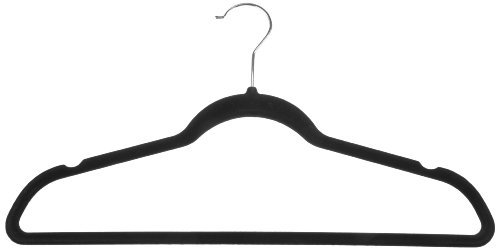
Make sure you have plenty of huggable hangers. If you do not own these, you need to at least try them out. They are a lifechanging  in terms of keeping your garments stretch free and any silk or slippery top that usually falls off wood or (gasp) plastic or wire hangers.  Plus they save space! 

Begin by grouping all of the same styles together. Pants go with pants (if you hang your pants), blouses, tank tops, t-shirts, dresses etc. Some people also like to organize each  group into color as well, but unless your closet is absolutely ginormous I don’t think it’s a big deal. 

STEP SIX: TAKING INVENTORY
Now that you’re pretty much good to go in terms of being organized you can begin taking inventory of items that you may possibly need to replace or are missing. This is obviously the very best part of cleaning out your closet! At first, it may feel like a new wardrobe because you’re bound to find something you forgot you even own. But by making a checklist of items that you need makes it extremely helpful the next time you’re out shopping and are feeling a little overwhelmed. 

And that’s it! You’ve successfully organized your closet in six steps. For a cheat sheet and checklist of the items that you should consider adding to your wardrobe check out our free guide to Creating Your Most Wearable Wardrobe!